
















AI has made polished creative easy for everyone, which is why so much of it looks the same. Brands stand out when they settle on a point of view and their distinctive brand cues before anyone opens a prompt, and treat the first AI output as scaffold only.
Not long ago, a beautifully art-directed campaign meant a serious investment: creative teams, directors, photographers, designers, post-production specialists and a production budget to match. Generative AI has loosened that considerably, and sophisticated visuals are now within reach of far more brands. Turning them into something compelling still takes vision and a lot of judgement, but the barrier to entry has dropped.
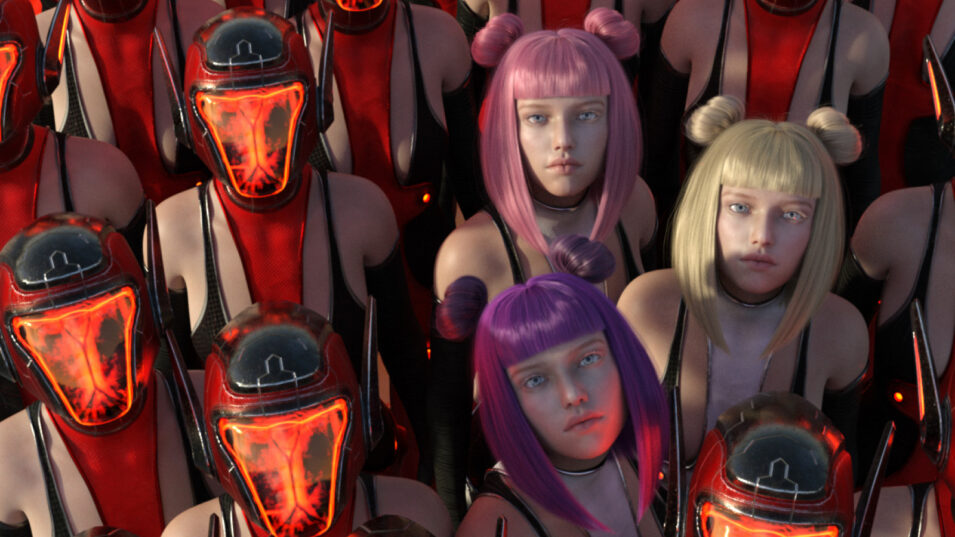
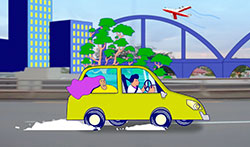
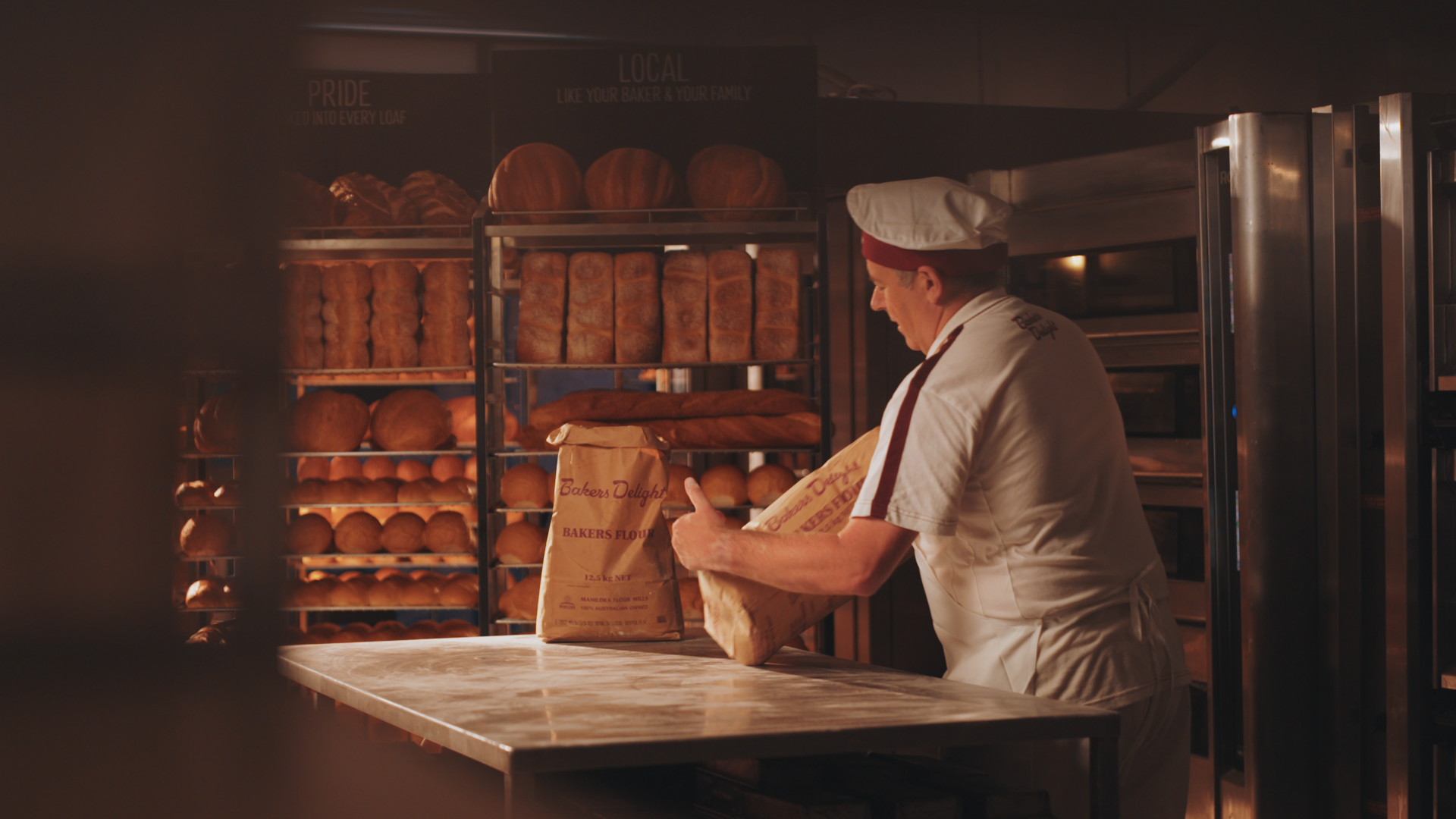
It has also produced a side effect. Scroll any feed and a familiar look is taking hold: hyperreal imagery, cinematic grades, everything smoothed to within an inch of its life. Many look decent, but together they’re starting to blur into one overly polished campaign.
Which leaves brands with an awkward question. If anyone can make something beautiful, what makes yours worth remembering?
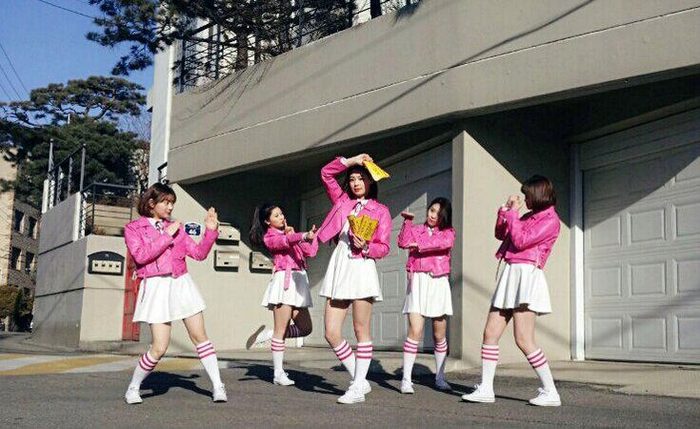
Same Prompt, Same Result
Most generative systems learn from enormous libraries of existing work. They’re very good at recognising what a premium skincare ad or a futuristic tech spot is supposed to look like, and producing a convincing version of it. Ask for one and you’ll get something that looks the part. Looking the part and having a point of view are not the same thing.
The IPA took this on in its September AI magazine, with a feature asking whether AI is making every brand look the same. Brandon Kaplan, COO of McCann New York, pointed to a rule McCann has written into its AI Constitution: Keep the Friction, which treats the first answer as a draft. It’s a useful discipline, because the real risk with these tools is stopping at the first result that looks good enough. That’s usually where the sameness creeps in.
Pretty Gets Forgotten
Beautiful and distinctive tend to get lumped together, and they shouldn’t be. A film can be gorgeously made, flawlessly executed and technically dazzling, and still leave viewers with no idea who it was for. That’s a pretty expensive way to be forgotten.
Ipsos’s analysis of more than 2,000 video ads is a handy reminder of what does the heavy lifting. It found that distinctive brand assets, such as a recurring character or a sound you’d know with your eyes closed, are more strongly linked to branded attention than simply showing or mentioning the brand. Memorable work is the kind audiences can trace back to a name, and that’s a much harder job than making something pretty.
It’s why brands spend years building a recognisable identity, and why handing it over to whatever look a prompt happens to produce is a strange trade.

Good Enough, Isn’t
The riskier output is the work that passes. Obviously synthetic content gets spotted and scrolled past. Work that looks fine gets approved.
Syracuse University’s Adam Peruta, writing in Harvard Business Review in September, set out research done with Ipsos that tested exactly this. The team paired 10 human-made ads with fully AI-generated versions built from the same brief, then put all 20 in front of 3,000 US viewers. Only 13% were even somewhat confident an AI ad was AI-made, the same share who suspected the human ads were synthetic. On Ipsos’s sales-validated measures, though, the human ads beat the benchmark by 11 points on average, while the AI versions came in five points under it.
Convincing doesn’t guarantee effective. An ad earns its keep by making people feel something and remember who it was from. If a campaign looks impressive and leaves no impression, the production efficiency starts to look a whole lot less impressive.
Direction Before Prompt
None of this makes AI the villain. In the right hands it opens up work that would have been impractical or out of reach.
What decides the outcome is what happens before the prompt. Does the brand have a point of view? A real insight? An idea strange or surprising enough to be recognisably its own? If not, you’re asking a machine to produce something that looks like advertising, and it will surely oblige.
Good creative work has always run on judgement: when to push an idea further, when to challenge the obvious answer, when the slightly odd direction turns out to be the interesting one (our fave!). AI hasn’t made those calls redundant. It’s made them the job.

Tips from the WKV Production Team: How to Avoid the AI Echo Chamber
- Start with the idea, not the prompt. Lock in the audience insight, concept, tone and visual direction first, then decide where AI earns its place. Skip that step and you end up with something visually impressive and strategically anonymous.
- Look outside your category. If every brand in your space pulls from the same references, the tool will happily reinforce them. Go to film, art, fashion or music instead. A stranger starting point gives the output somewhere more interesting to go.
- Direct your brand cues. Distinctiveness is built from consistent cues: colour, type, sound, characters, tone. In AI-assisted work, specify them deliberately rather than taking whatever the tool offers.
- Don’t settle for the first good result. AI’s speed invites you to stop early. Try alternative treatments and push back on the obvious choices, then ask whether the work says something specific about the brand or just looks like an ad.
- Know when to put the tools down. Not every problem needs AI input. A great performance, an unexpected location, a practical effect or a distinctive camera approach can give the work something synthetic imagery struggles to match. Sometimes the best creative call is to just go and shoot it even.
Faster Isn’t Always Better
At We Know Video, we’re not pretending AI is going away. We use it across our own creative and production workflows, and there’s plenty to be excited about. But making things faster and making things better aren’t the same thing.
As execution gets easier for everyone, the advantage shifts towards whatever can’t be prompted: a clear point of view and the judgement to tell properly finished from merely fast.
Everyone gets the same tools. What you do before you open them is where the difference gets made.