





















Quick answer: Explainer video production Australia typically costs around A$5,000 to A$20,000 for a 60-second animated explainer before GST, with custom and high-end work running higher. The brief matters as much as the budget, because it decides whether the video should do a commercial job.
Explainer video production is the process of making a short video that explains a product, service or process to a specific buyer. The brief sets the cost, timeline and style, and it matters as much as the budget. This guide covers how to choose a style, what to expect to pay, how long production takes and how to brief a studio. These decisions apply whichever studio you work with, including We Know Video’s teams in Sydney and Melbourne.
What’s covered?
- What Does an Explainer Video Need to Do?
- How Is an Explainer Video Different From a Demo?
- Which Explainer Video Style Suits Your Product?
- How Much Does Explainer Video Production Cost in Australia?
- How Long Does Explainer Video Production Take?
- How Should You Brief an Explainer Video?
- Where Does AI Fit in Explainer Video Production?
- Where Will The Video Live?
- What Have WKV’s Explainer Projects Covered?
- How Do You Measure Performance of An Explainer Video?
- Frequently Asked Questions
- Should You Commission an Explainer Video Now?
What Does an Explainer Video Need to Do?
An explainer video shows a product, service or process in the shortest time that holds attention. It should be aimed at one buyer, at one stage of the decision, and answer one question that is slowing the decision down.
Explainers are familiar to buyers. Wyzowl reported that 96% of people have watched an explainer video to learn more about a product or service. An explainer has one job: clearing a specific point of friction for a buyer. Without that, it becomes a polished video that doesn’t help the viewer move closer to a decision. Making the internal case often rests on a few commercial points, such as clearer messaging and credibility for newer brands.
How Is an Explainer Video Different From a Demo?
An explainer clarifies why a product matters and what problem it solves. A demo shows the product working, step by step, for someone already evaluating it.
This distinction is important when drafting a brief. An explainer video brief should be built around a buying question, so it can run early in the funnel and because of this, it doesn’t need to show every feature. For example, a payroll software company might make an explainer for the finance director who asks whether the product will fit existing systems. The video answers that question in ninety seconds and leaves the detail for later.
A demo follows the user’s tasks and suits a buyer who is comparing options. For the same company, a demo might walk an operations manager through setting up a pay run, step by step. The viewer already knows why the product matters and needs to see how it works. Briefing for a demo where an explainer is needed is a common mistake.

Which Explainer Video Style Suits Your Product?
The style of your explainer video is a practical choice. Each option has a different cost, timeline and level of credibility.
- 2D animation and motion graphics suit software, services and processes that are hard to film. They are easy to revise across versions. Animation work is usually the starting point for abstract or invisible products
- Character animation uses illustrated people in recognisable situations. It helps when the buyer needs to see their own problem reflected back to them
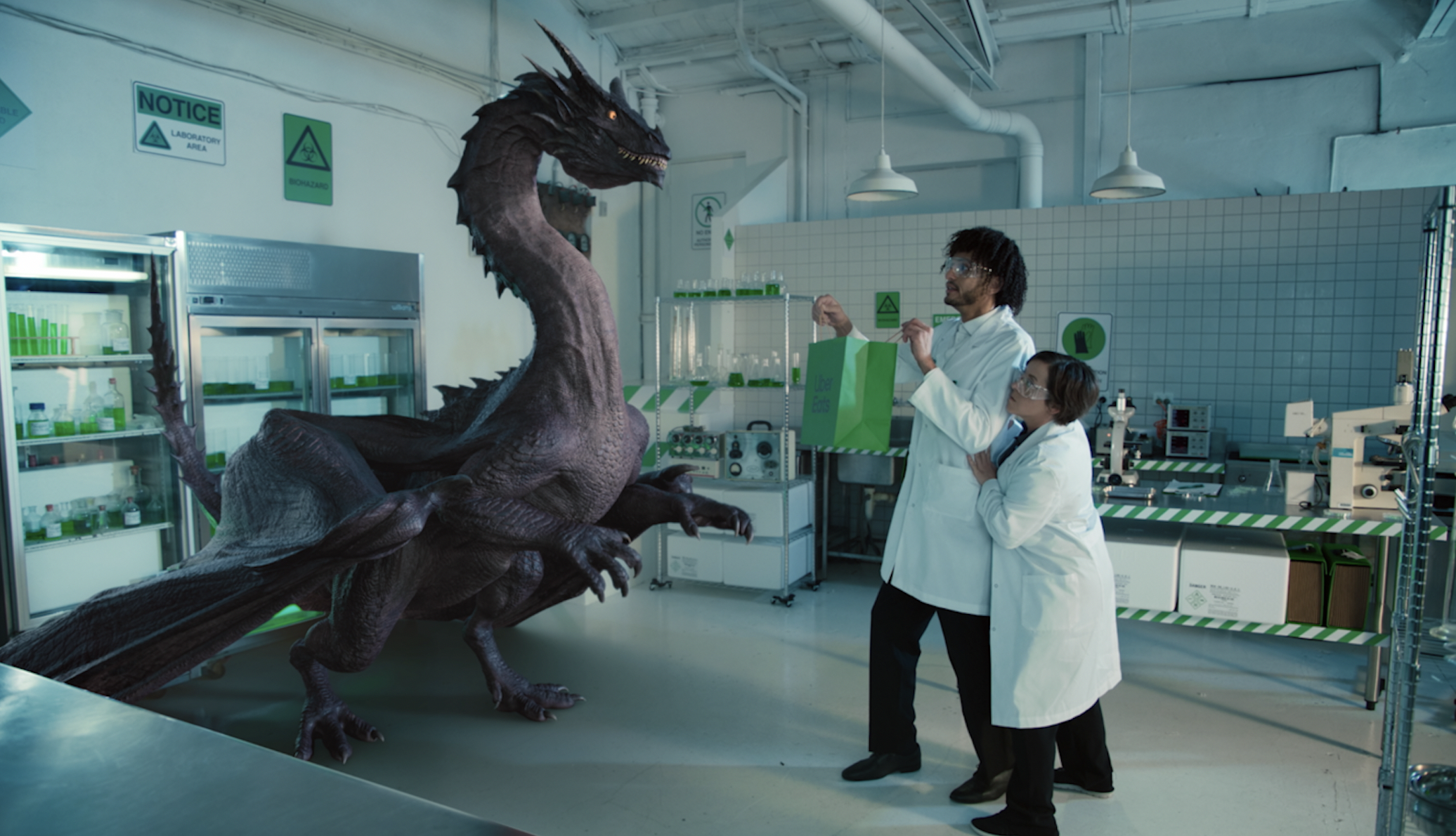
- Live-action builds trust through real customers and the product in use. It costs more to shoot and takes longer to schedule
- 3D product animation suits physical products or complex interfaces. WKV’s Shippit work included 3D product explainers for separate product groups
- Screencast and whiteboard formats work well for walkthroughs and internal education, often at the lowest cost
Structure matters as much as style. A problem-solution explainer opens with the friction the buyer already feels, then presents the product as the way through. A product or process overview explains how something works from start to finish. The first suits persuasion, while the second suits buyers who already want the category and need to understand the mechanics.
How Much Does Explainer Video Production Cost in Australia?
Published studio pricing gives a useful starting point for explainer video production Australia, but these figures are not quotes. A one-minute animated explainer typically costs between about $5,000 and $20,000 before GST. Simple motion graphics can come in below that range, while custom animation with multiple versions can reach $25,000 to $50,000 or more. WKV’s Sydney video production cost guide explains how these budgets translate into production scopes.
Cost moves with format, script complexity, animation style, filming, voice-over, review rounds and deliverables. Length is the most visible driver, but a project without a script or with open-ended revisions will cost more than the headline rate suggests. When comparing quotes, check that each one covers the same scope: script, review rounds, voice-over, music licensing and cutdowns. A cheaper quote that omits strategy has not saved money. It has moved the work out of sight.
How Long Does Explainer Video Production Take?
Plan timelines around approval points rather than a single finish date. WKV’s process runs through strategy and ideation, pre-production, production, editing and delivery. Each stage depends on sign-off from the one before, so timelines slip when the script is not agreed early.
Compressed schedules are possible. WKV’s Canva case study describes a launch film produced with three business days to source locations, talent and logistics. That was a tightly coordinated exception, rather than a planning baseline. Teams should build the timeline backwards from the launch date, and schedule the longest internal approval first.

How Should You Brief an Explainer Video?
A useful brief for explainer video production Australia describes the decision the video should influence. “We need an explainer” determines the video format, whereas, “finance stalls the deal over implementation cost” names a sticking point.
Make sure to include:
- The buying moment: where the viewer sits in the sales cycle
- One question or objection: the single point the video must answer
- The audience: their role and the internal stakeholders who will see it
- Where it will run: landing page, sales deck, email, paid social or in-app
- The call to action: the next step, in one sentence
- Existing material and approvals: current messaging, screens, testimonials, sign-off rounds
Non-profits face the same test. A donor or volunteer needs to understand the mission and the next step quickly. WKV’s not-for-profit work follows the same logic.
A good brief then has to become a script, which is its own discipline, and tight, conversational scripts that get to the point make the difference. In B2B industries, the brief matters even more. Aim to describe the decision the buyer is stuck on, rather than the type of video you want.

Where Does AI Fit in Explainer Video Production?
AI can speed up parts of the production work: transcription, versioning into alternative cuts and formats, first-pass edits and draft captions. These tasks are repetitive and easy to check, which makes them good candidates for automation.
The decisions that shape the video still need people behind them. Someone has to identify the buyer’s objection, choose the story and judge whether the tone sounds like the brand rather than a template. Explainers that feel generated tend to lose the trust they are meant to build, so the practical approach is to use AI for efficiency and keep a person accountable for the message.
Where Will The Video Live?
The placement of your explainer video is important. This will shape what it needs to contain, how long it runs and which versions you need. Deciding this at the brief stage avoids costly rework later. A homepage-only video needs different deliverables from one that runs across paid social, sales outreach and a product page.
Landing pages are where many explainers earn their place. Wyzowl reports that adding an explainer video to a landing page can boost conversions by up to 80%. Treat that as a directional finding from one research publisher and test it on your own pages.
For sales, the video needs to make sense on its own, so a finance or IT reviewer can understand it without the presenter. For social, agree the formats up front: horizontal, vertical, square and short cutdowns. Social video campaigns are usually built from a master film, which makes this easier to plan.
What Have WKV’s Explainer Projects Covered?
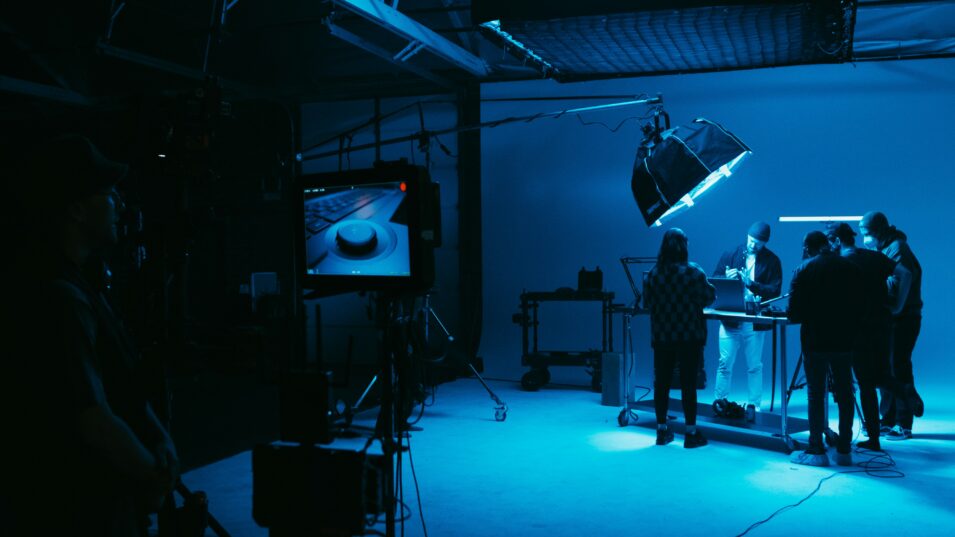
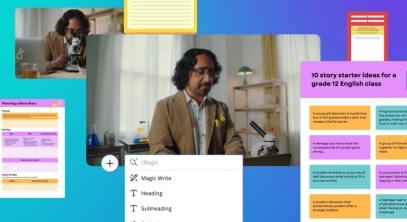
WKV’s explainer work covers a wide range of briefs, from animated launch films to live-action platform stories. The examples below show how the approach changes with the product and the audience.
- The Hipages energy explainer was an animated film launching hipages energy, a service that helps homeowners cut their energy bills. The script covers what the service is, how it works and how to start saving, with the aim of quick comprehension across digital channels
- The Roller explainer was a live-action film for an all-in-one venue management platform built for the attractions industry. It shows how the platform streamlines ticketing, point of sale, memberships and guest feedback, and it focuses on the people who use it
- The Crews project was a punchy product explainer for a start-up. Crews is a vetted platform that connects creatives in the commercial, film and television industries with work, so the film had to make a new product understood quickly
How Do You Measure Performance of An Explainer Video?
The right measures depend on what the explainer video is meant to change. Views show that a video was seen, not that it changed a decision.
Before launch, record three numbers: the conversion rate on the page where the video will sit, the average length of your sales cycle, and a tally of the objections your sales team hears most often. Track the same numbers over an equal period after launch. Tag the video’s links with UTM parameters so you can see which visitors watched it and whether they converted. Ask sales to note when a prospect mentions the video, because that shows whether it is being shared inside the buying team.
Frequently Asked Questions
How Much Does an Explainer Video Cost in Australia?
Published rates from Australian studios typically start at a few thousand dollars for simple illustrated work and reach around A$20,000 for a 60-second custom 2D animation. Compare quotes on identical scope.
What Is the Difference Between an Explainer Video and a Product Demo?
An explainer describes why a product matters and how it solves a problem. A demo shows the product working in detail for someone already evaluating it. Explainers suit earlier stages of the buying process, and demos suit later ones.
How Can AI Be Used to Create an Explainer Video?
AI can handle repetitive production tasks such as transcription, versioning, first-pass edits and draft captions. The strategy, the story and the final review still need people, because the video has to address a real buyer objection in a voice the audience trusts.
How Long Should an Explainer Video Be?
Most sit between 30 seconds and two minutes. The right length depends on how much friction you need to clear.
Is Animation or Live-Action Better for an Explainer?
Neither is better in general. Animation suits abstract or technical products and is easier to revise. Live-action suits businesses where real people and the product in use carry the credibility. Let the buyer’s question decide.
How Many Review Rounds Should an Explainer Include?
Agree the number at the start, along with who gives feedback and when. Most projects benefit from a scripting round, a rough-cut round and a final review. Open-ended feedback is the most common reason explainers run late.
What Should an Explainer Video Brief Include?
The buying moment, the one objection the video must answer, the audience, where it will run, the call to action, existing material and the approval process.
Do Australian Production Quotes Include Voice-Over and Music?
It depends on the studio. Voice-over, music licensing and sound design are common cost variables, and some quotes list them separately. Confirm each line in writing before comparing prices.
How Do I Know If an Explainer Video Is Working?
Set a baseline before launch and track measures tied to its purpose, such as page conversion, sales cycle length and how often a specific objection comes up.
Should You Commission an Explainer Video Now?
Whether to commission explainer video production Australia comes down to readiness. Typically, if you can name the friction an explainer video removes, the viewer it reaches and the action it should prompt the time is right. Next, consider style, length and distribution.
If you can’t name these yet, start with the brief. Find where deals slow down, which question keeps returning, and who resists. If the friction is clear but the brief needs sharpening, let’s talk. Request a quote or book a free strategy call, and we’ll test the brief against the buyer before any budget is committed.