











In the age of AI, the making of the work matters as much as the main campaign
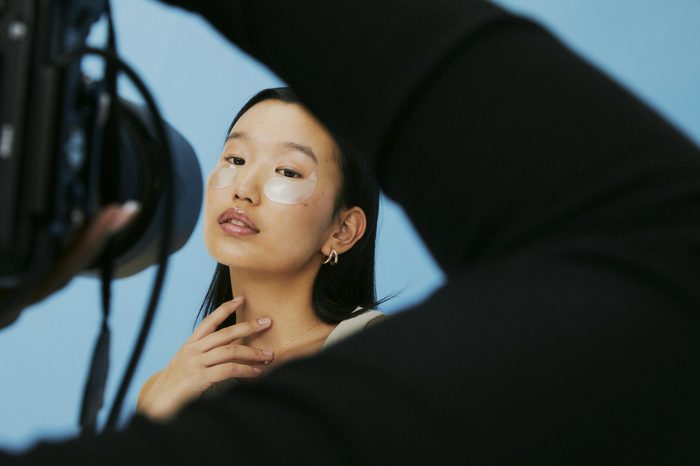
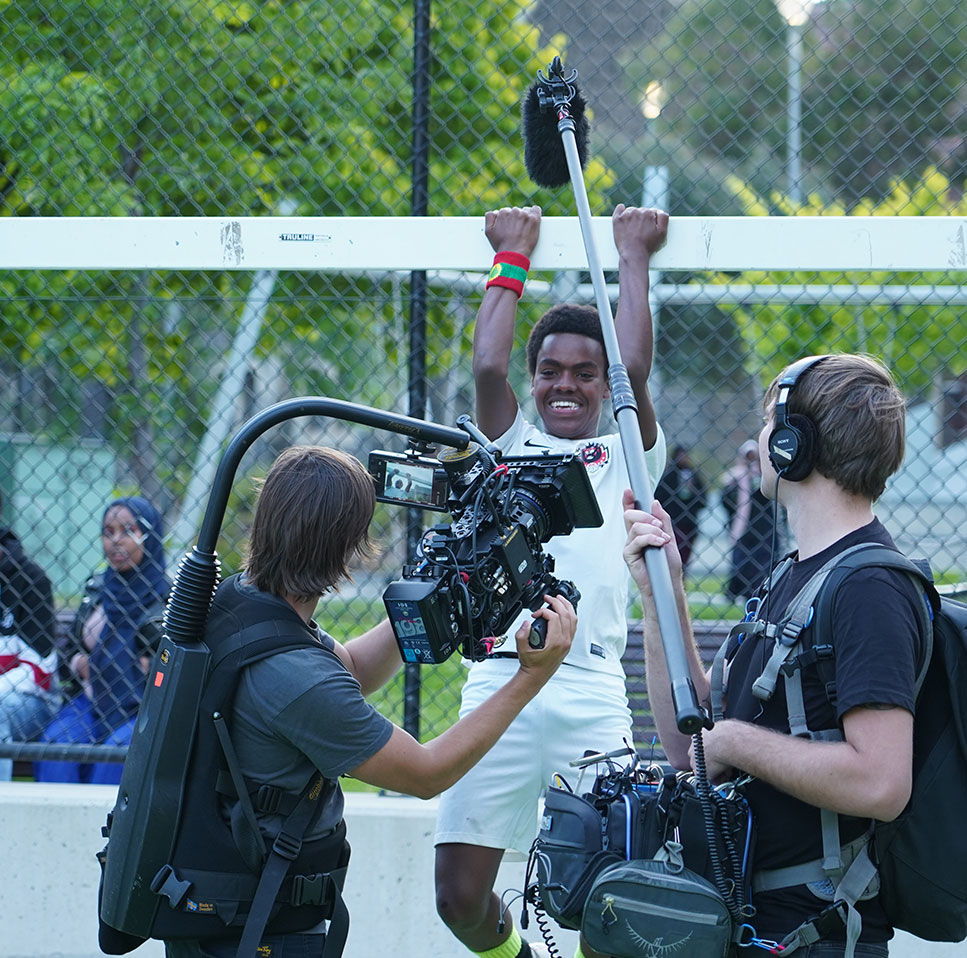
For years, behind-the-scenes content sat firmly in the supporting role. The campaign was the thing, while BTS was what you posted afterwards: a few shots from set, some crew footage, maybe a quick look at how the final frame came together. Rinse and repeat.
That hierarchy is starting to collapse, largely because the way we consume creative work has changed. People now follow photographers, creative directors, stylists, designers, filmmakers and production teams as much for the process as the finished result, and the mechanics of how something was made have become part of the entertainment.
AI has accelerated that shift. We’re moving into a creative landscape where polished output is abundant, which means a beautiful image no longer carries quite the same weight on its own. It might have taken weeks of production or some clever AI prompting, and audiences are increasingly aware of that ambiguity.
What feels more valuable now is the thinking behind the image: the discernment, the problem-solving and the creative decisions that gave it a point of view in the first place. That’s the gap between generative AI output and good old-fashioned creative taste.
That is where BTS has taken on a different role. Rather than sitting beside the campaign as bonus content, it can reveal the part of the work that is becoming more culturally valuable: the craft behind it.
Proof or It Didn’t Happen
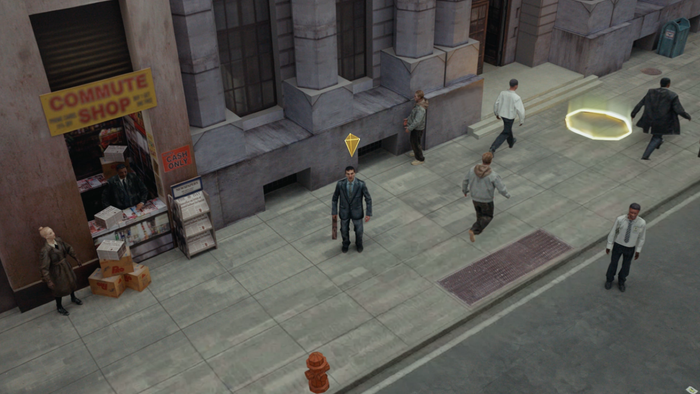
Coinbase’s Your Way Out campaign is a useful example. The film looks like a deliberately crude video game, with pixelated environments and characters moving like NPCs, but the BTS reveals how much of that world was built physically. Painted costumes, practical sets and carefully choreographed performances all contributed to a final result that could easily have been assumed to be computer-generated.
Once you see how it was made, you read the campaign differently. The visual trick is still satisfying, but the ingenuity behind it becomes part of the appeal. You start to notice the amount of thinking that went into creating something that initially looks almost effortless.
That matters more now because audiences are becoming accustomed to questioning what they see on screen. BTS can answer that question in a way the hero asset cannot, making the process visible and giving the craft its due.
The Making Makes the Cut
More interestingly, the line between BTS and the finished work is starting to blur.
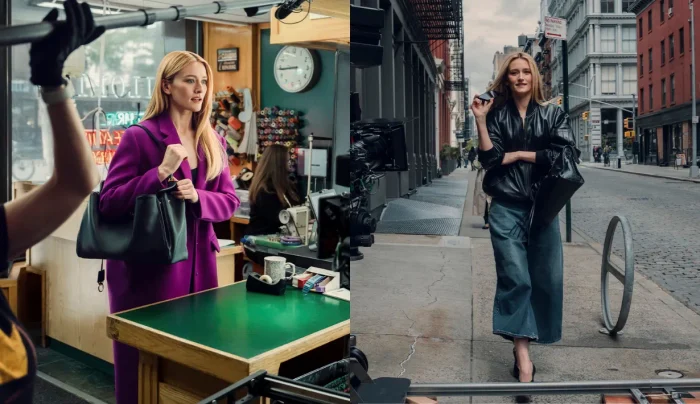
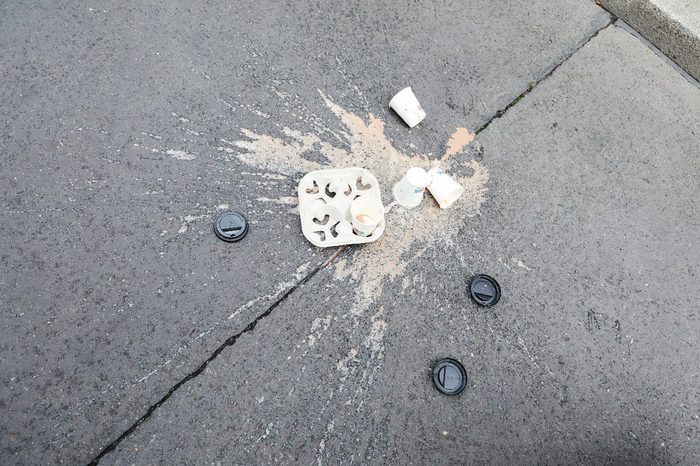
Apple has been releasing behind-the-scenes films alongside major campaigns for years, but newer work is pulling that reveal directly into the creative. In their recent campaign, A New York Minute: Keep Rolling, Balenciaga has kept the cameras rolling beyond the apparent end of the film, carrying that tension between finished image and production process into its wider campaign.
That instinct is even more visible among creators, who are often quicker to work out what a format can become. In feeds increasingly crowded with synthetic imagery, they are using process as both hook and proof. A surreal shot might open on the rig that created it before revealing the polished frame. A complex edit might be shown running directly inside the editing timeline. The making isn’t an extra at the end. It is what earns the watch in the first place.
That changes what BTS can do for a brand. It is no longer simply evidence that a shoot happened or a way to squeeze another asset out of production day. Used well, it can add tension to the hero, create a reveal of its own and make the creative process part of the idea.
Production companies and filmmakers have understood this for years. Their feeds are full of camera set-ups, practical effects, split screens and before-and-after reveals because they know the making of an image can be just as compelling as the image itself.
Brief It or Don’t Bother
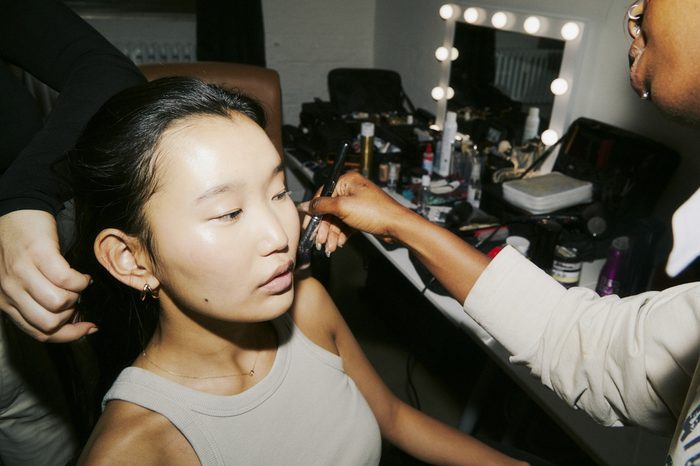
Brands should be borrowing much more from that world, but not by simply capturing more footage. The shift needs to happen before the cameras roll. Brands should carve out a separate ideation session with their production partner to decide what the BTS story is, then turn that into a simple brief, a tight shot list and a clear idea of how the edit should come together.
It doesn’t need to become another production within the production, but it does need someone responsible for capturing it and enough budget to do the job properly. Set days are chaotic enough without relying on someone to grab whatever they can between takes, which usually leaves an editor with reams of disconnected footage and the unenviable task of trying to find a story after the fact.
The best BTS has that story baked in from the start.
For brands, that might mean identifying the practical effect people will want to see broken down, deciding which creative decision is worth unpacking, or borrowing a social format that makes the distance between the set-up and the finished frame immediately legible.
Access Is the Asset
There’s a voyeuristic pull to all of this too. A peek behind the camera gives audiences access to a world they would usually never see, which can deepen brand buy-in and make them feel closer to the people, thinking and culture behind the finished work. The aim isn’t to show everything that happened on set. It’s to find the part of the process that makes people feel like they’ve been let in on something.
BTS used to exist to support the campaign. Increasingly, it is becoming part of the reason the campaign has cultural value at all.
When polished output is everywhere, the real flex is having something worth showing behind the polish. That’s where BTS stops being the bonus content and starts earning its place in the campaign.
The curtain is already coming down. Brands should be ready for what’s behind it, and know how to make it mean something.
Tips from the WKV Team: Top-performing BTS edit formats in 2026
- Process BTS (setup → challenge → final reveal): Short clips showing how a shoot was lit, blocked, or edited, ending with the final frame. These drove strong retention because viewers felt like insiders seeing the “how.”
- People BTS (crew, creator, founder moments): Cuts focused on personalities on set—directors, editors, or talent reacting between takes. These humanised brands and sparked fan conversations.linkedin+1
- Proof BTS (raw vs final, tests, fixes): Edits that juxtaposed ungraded footage, failed takes, or product tests with the final ad. This “proof” style reduced skepticism and boosted shares.
By Katie Martlew, Senior Content Strategist, We Know Video