











Most brand YouTube channels are graveyards. A product launch from 2021. A conference recap nobody asked for. A couple of TV ads someone uploaded. Nothing posted in eighteen months.
If you’re the brand that decides to actually do something about it, that’s good news for you. Why? Read on.

The problem with paid social
Paid social works. We’re not telling you to stop running Meta and TikTok. But there’s a structural issue: the moment you stop paying, it stops working. The content expires, people move on, and next week you’re back buying it all over again.
And the numbers are getting harder to ignore. Ten of eleven media categories lost audience time year-on-year. 93% of consumers skip or block ads. Meta’s cost-per-lead rose 21% year-on-year. You’re paying more to reach fewer people who trust you less than they did five years ago.
YouTube works differently. A well-produced video keeps working for years. It gets found by people who weren’t looking for your brand specifically, but were looking for an answer to a question your brand knows a lot about. That’s a different relationship between content and return, and most brands haven’t built it yet.
YouTube is a Search Engine
Google owns YouTube, and in 2026 that relationship is more visible than ever. More than 25% of all Google search results now include a video snippet, and YouTube dominates those placements above every other platform.
A well-optimised YouTube video doesn’t just live on YouTube. It shows up in Google search. It gets pulled into Google’s AI Overviews. And increasingly, it shows up in the answers generated by the AI tools your customers are already using to make purchasing decisions (ChatGPT, Claude, Perplexity)
A home improvement brand that consistently answers the top 20 questions in their category on YouTube doesn’t just rank on the platform. They get cited in AI answers every time someone asks ChatGPT whether to hire a tradie or DIY. That’s not advertising. That’s infrastructure. And in most categories, nobody has built it yet.
YouTube is now cited in 29.5% of Google AI Overviews, more than any other social platform. Between August and December 2025 alone, its share of social media citations in AI responses went from 18.9% to 39.2%. It overtook Reddit as the most cited social platform in AI-generated responses — a near-complete reversal from mid-2025.
Three distribution channels from one piece of content: YouTube search, Google search, and AI search. Nothing else does that.
Why AI keeps citing YouTube
Every YouTube video has a transcript. Large language models read transcripts. Educational, structured content that answers real questions (the kind LLMs are trained to surface) is what YouTube produces at scale. Unlike Reddit’s anonymous threads, YouTube signals the kind of depth and authority AI systems tend to trust.
YouTube is also cited approximately 200 times more than any other video platform in AI search results. That’s not a small gap.
And a brand that consistently answers the top questions in their category on YouTube, with actual depth, effectively owns those queries in AI search. That’s a competitive moat. In most categories, it’s still wide open.
The formats that actually work
The brands seeing real returns aren’t posting product demos or repurposed ads. They’re making content people search for.
Educational and how-to content: Educational and how-to content is the highest ROI format on the platform. Tutorial content that genuinely helps someone builds trust before a sale is ever attempted. It ranks on search, surfaces in AI answers, and keeps working long after the publish date.
Canva is a good example of what this looks like at scale. Their Design School series and Canva Creators content answers real user questions, keeps existing customers engaged, and quietly dominates SEO in their category — in a way that naturally integrates their product without being overtly sales-driven. We’ve built this kind of content for other clients like Campos, Seek and HiPages. It’s one of the most direct ROI models we’ve seen in video.
Branded documentary and series content Branded documentary and series content lets a brand express its values and category knowledge without a product mention in sight.
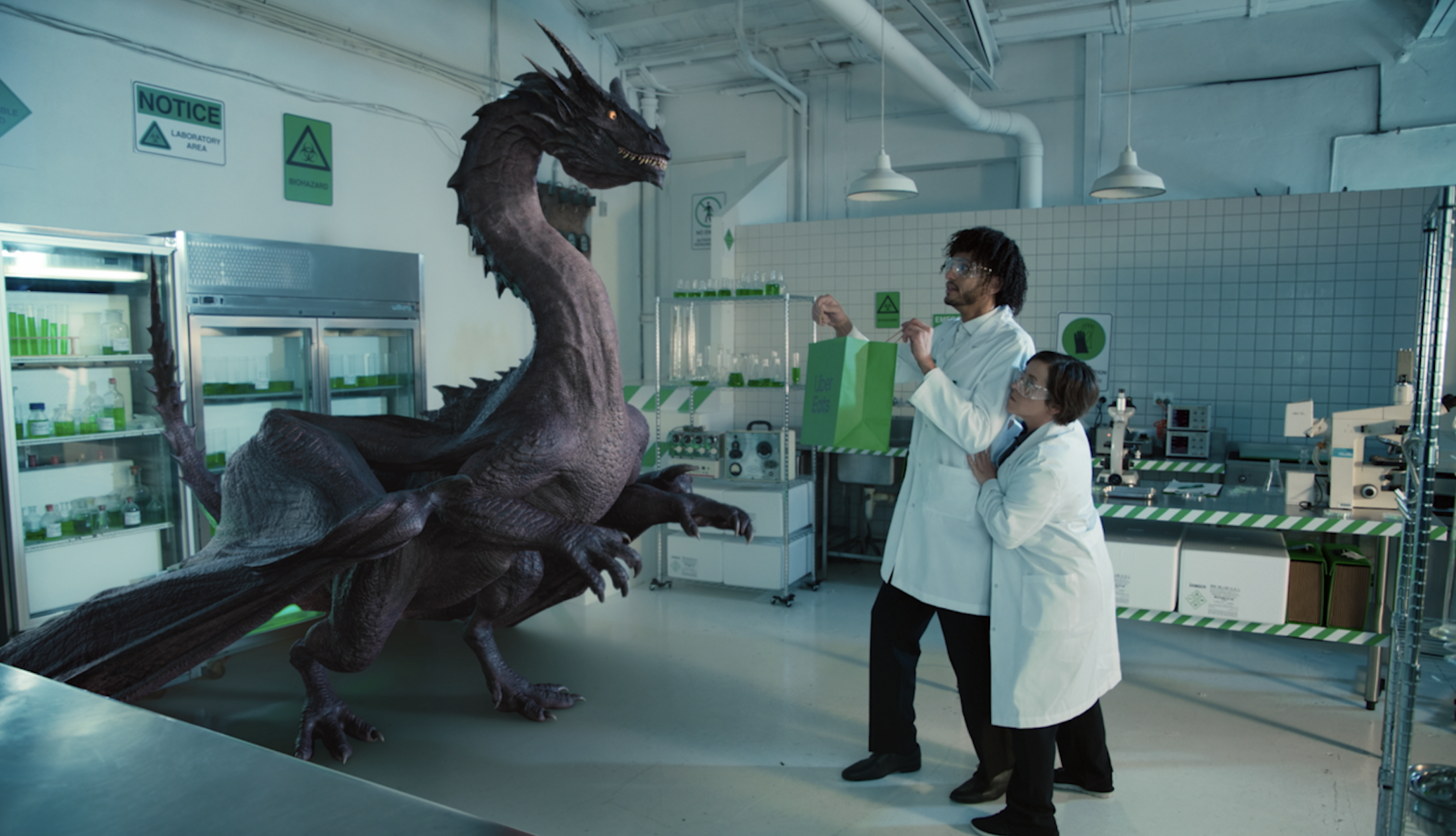
The Uber Eats Eat Local series is a good example of what that looks like in practice. Rather than pushing delivery, the series was built around discovery, putting humble neighbourhood restaurants back on the map. We produced it with Hello Social, no heavy brand push, just the places, the people behind them and how to find them.
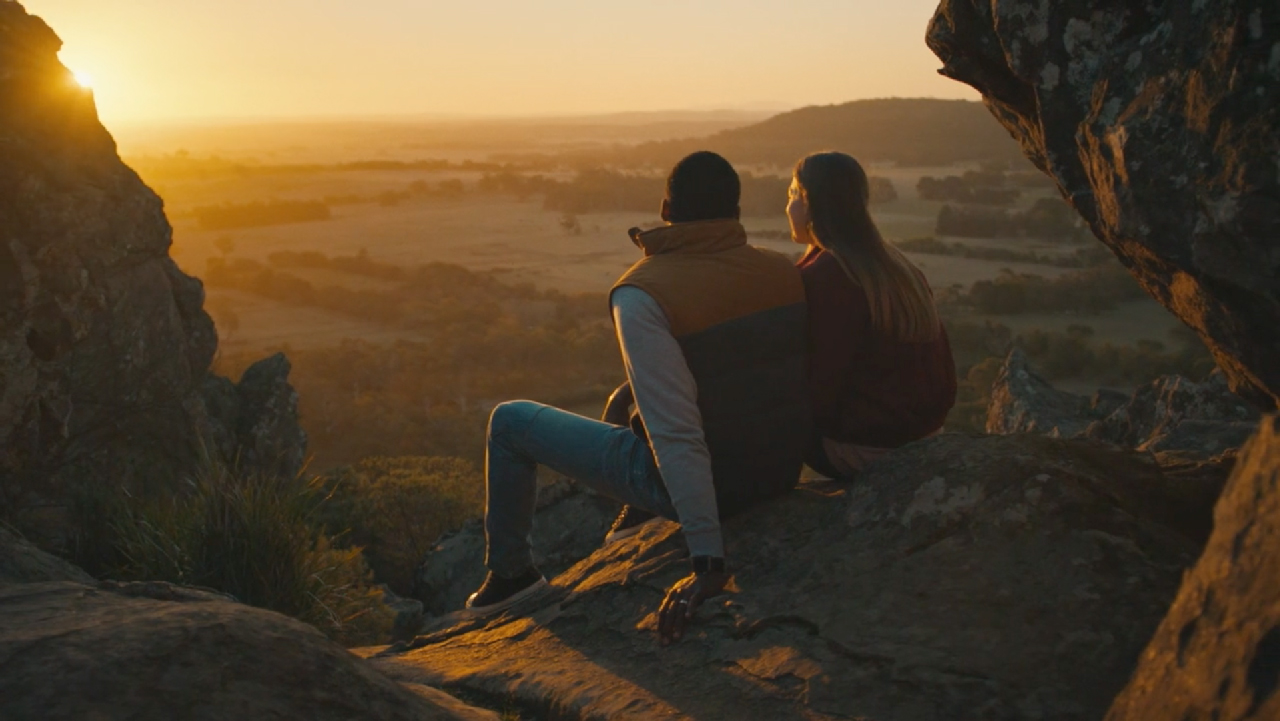
YETI has been doing this for over a decade. Their channel is barely about their products, it’s about the people who use them. The result is one of the most loyal brand communities in consumer goods. The format works because it earns attention rather than demanding it. A Thousand Casts is an example of classic YETI brand storytelling, less about the product, more about the type of person who uses it and the places they’re willing to go. And the results clearly pay off with over 1.2 million views and 16K likes.
Similarly, like YETI, Red Bull didn’t make ads about their product either. They made content about the world their product lives in. The result is a media property worth more than most advertising budgets.
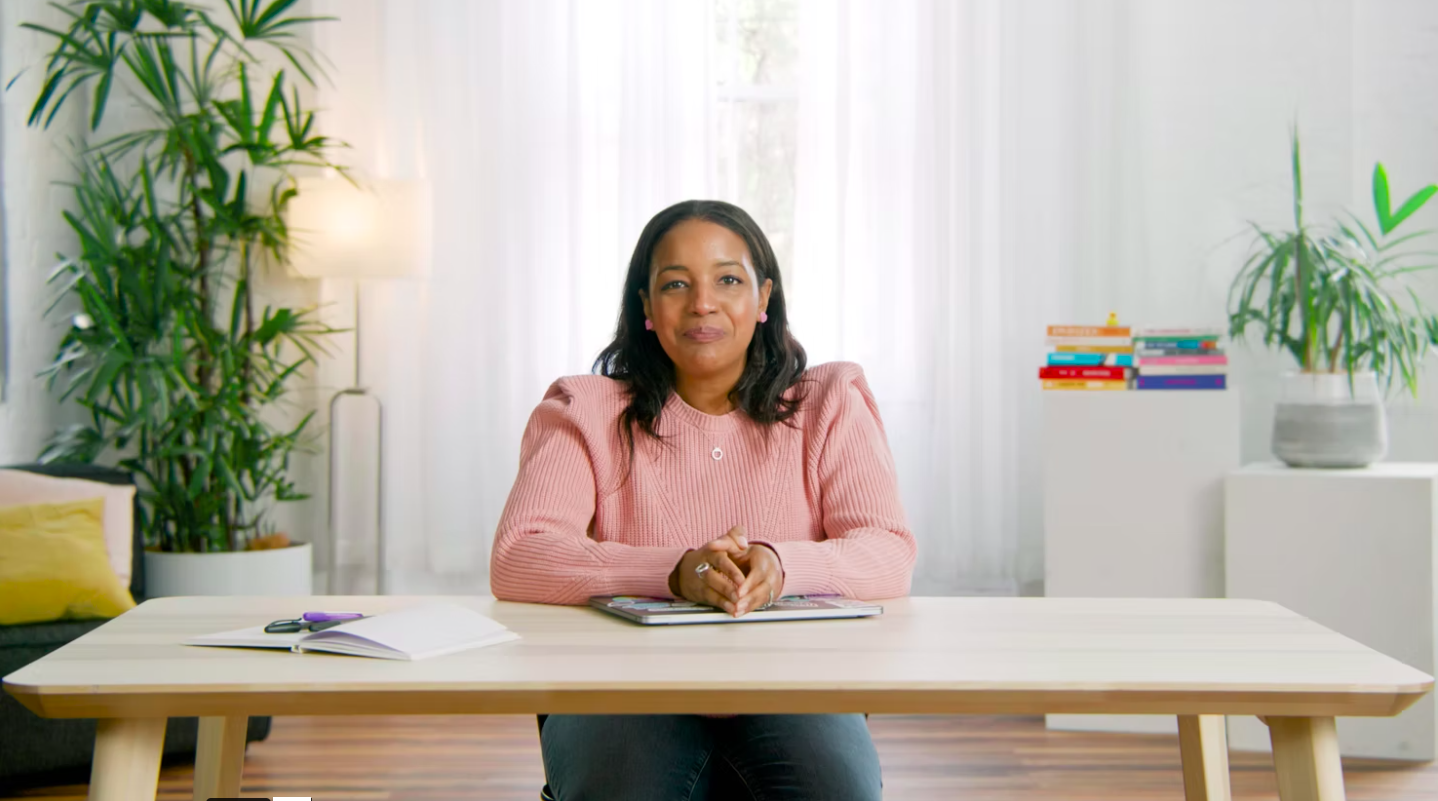
Founder and expert-led content works because people trust people. A credible person with something real to say, on camera, is still one of the most effective formats on the internet. YouTube plays a central role in how people research purchase decisions, and founder-led channels have become some of the most trusted brand touch-points in their categories. Take Mike and Matty, two brothers, former medical doctors, who left medicine for YouTube and now consult on growing channels as businesses. They help businesses and creative teams grow on YouTube, sharing the AI systems and strategies they used to build over a million subscribers and seven-figure businesses. Their videos are essentially a pitch to founders: YouTube isn’t just for creators, it’s a business development tool, credibility, inbound, audience ownership.
Another example of successful founder-led content, Steven Bartlett’s Diary of a CEO started as a personal brand and became one of the most influential media properties in the business space. Consistency and a genuine point of view compound on YouTube in ways that are almost impossible to replicate anywhere else.
Search-intent content: Search-intent content is the most direct route. Map your customer’s top questions and objections. Make a video for each one. Let the search algorithm do the legwork.
Our client, SEEK did exactly that; a 24-part series covering every stage of the job hunting process, from CV writing to interview technique. Each episode targeted the questions candidates were already searching for. The result is a content library that keeps working long after publish, and a brand that owns the conversation around how to get hired.
HubSpot built one of the most subscribed brand channels on YouTube the same way, answering the questions their customers were already asking, at scale. It generates an enormous organic pipeline and has become the benchmark for B2B YouTube strategy.
The window is open — but it won’t stay that way
Most brand YouTube channels are still graveyards. Most categories are still wide open. That won’t last. The brands that invest in building a real YouTube presence over the next twelve to eighteen months will own their category on the platform, and by extension in AI search, before the rest of the market catches up. Once a competitor establishes that kind of topical authority, it’s genuinely difficult and expensive to displace them
AI search rewards topical authority, topical authority is built through volume and consistency, and volume takes time. A competitor who starts now and publishes forty videos this year will be genuinely difficult to displace by the time most brands have finished debating whether YouTube is worth the investment. SEO took years to become contested. YouTube authority will too, but the clock is already running.
In 2026, consumers named human-generated content as their top priority on social media — ahead of personalised service, ahead of social commerce. The most powerful tool in your content strategy is still a real person with something genuine to say on camera.
YouTube content doesn’t stop working when the budget runs out. Paid social does.
We make YouTube content for brands that want to compound
Ready to stop renting attention and start owning it? We Know Video builds YouTube strategies for brands that are done with disposable content. Contact us via info@weknowvideo.com.au or hit us up via the contact form on the right.