

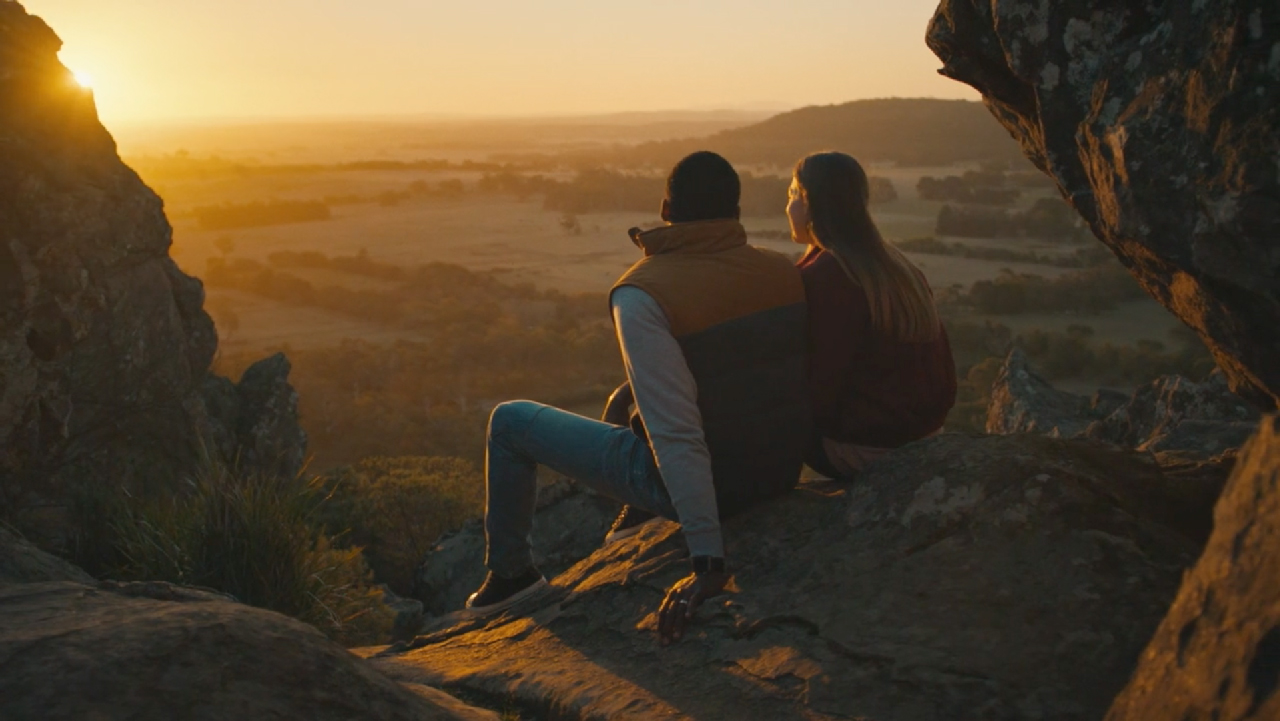
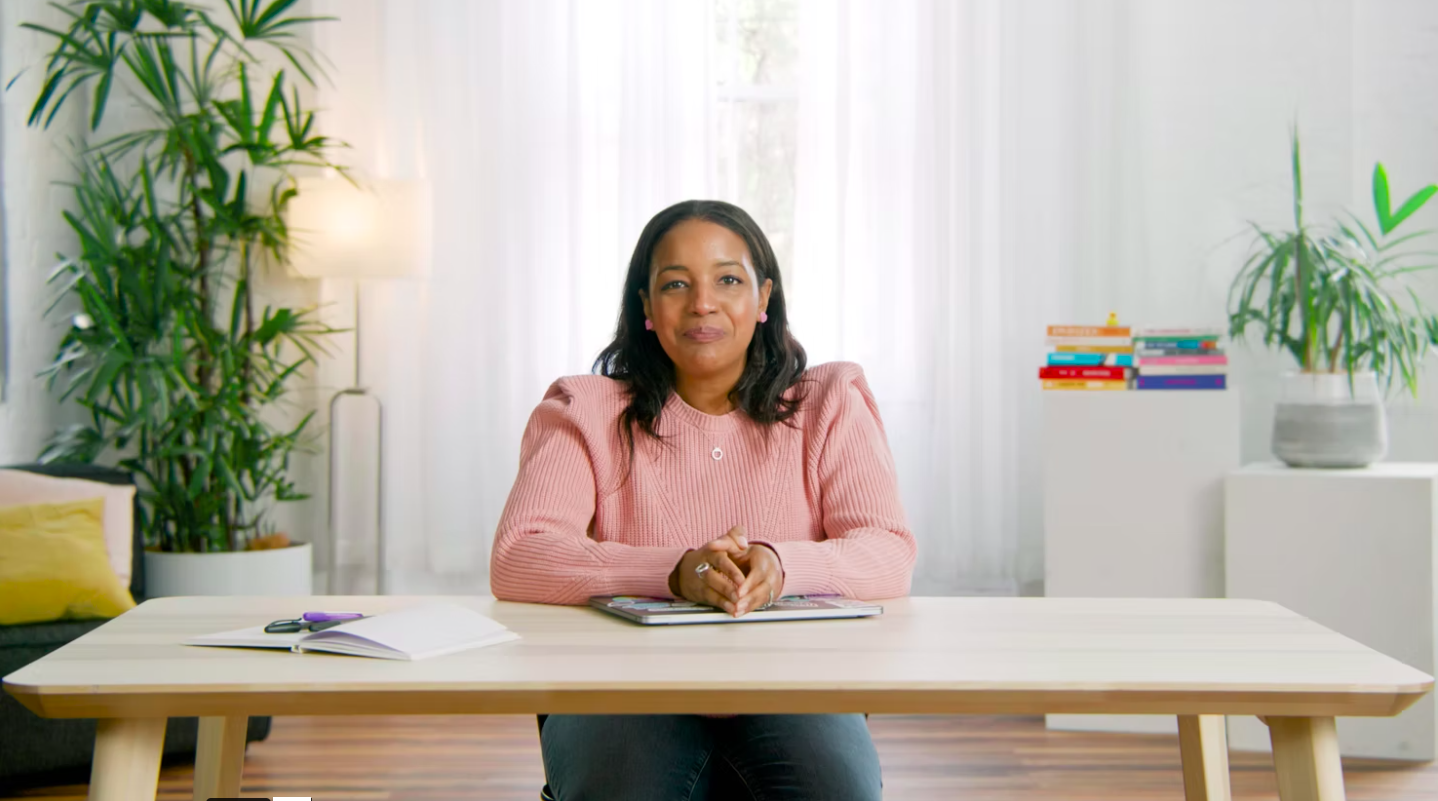













Most social media video briefs start in the wrong place. The conversation opens with a format before anyone has established what the video needs to do, who it needs to reach, or where it sits in the broader content mix. Content gets made, generates modest engagement, and confirms the suspicion that social video is unpredictable. In most cases, the problem isn’t the production. It’s the brief.
This guide covers what social media video production involves strategically, which formats and platforms Australian brands should be prioritising in 2026, what production costs look like, and what to look for when choosing a social media video agency in Australia.
What’s Covered?
- What Does Social Media Video Production Involve?
- Social Media Video Formats and Which Platforms They Serve
- Social Media Video Production Costs in Australia
- How to Choose a Social Media Video Production Agency in Australia
- Social Media Video Agencies in Australia
- Working With We Know Video on Social Media Video Production
- Frequently Asked Questions
What Does Social Media Video Production Involve?
Social media video production is a broader discipline than the title suggests. It encompasses everything from strategy and creative development to post-production and distribution planning. Treating it just as a production exercise is where most briefs go wrong.
Instead of starting with the format selection or platform choice, make sure to set objectives first. A video produced to build brand awareness in a new market requires different creative decisions than one designed to drive app downloads or support a product launch. Format follows function, not the other way around.
What Does The Production Process Cover?
A well-scoped social media video project typically moves through five stages:
- Strategy and creative development. This includes defining objectives, audience, platform context, tone, and messaging hierarchy before any scripting begins
- Pre-production: everything from scripting, shot lists, casting, location scouting, and scheduling
- Production. This refers to the shoot itself, which varies considerably in scale depending on the brief complexity
- Post-production: editing, colour grading, sound design, music licensing, and format versioning for each platform
- Distribution planning: aspect ratios, caption files, thumbnail selection, and platform-specific optimisations that affect whether content performs once it’s live
That final stage is where social video production diverges most sharply from other video disciplines. A 60-second brand film destined for a single YouTube channel has one delivery requirement. A social campaign running across Instagram Reels, TikTok, LinkedIn, and YouTube Shorts may require six or more format variations from the same shoot, each with different aspect ratios, caption treatments, and opening hooks calibrated to platform behaviour.
Strategy Before Production
The brands that get consistent results from social video aren’t necessarily spending more. Instead, they’re making more decisions before the shoot begins. This includes mapping content to specific audience moments, understanding where video sits in the purchase journey, and building briefs that give a production team something to work with rather than a vague creative direction to interpret.
For the Schwarzkopf Sound Studio campaign, We Know Video partnered directly with TikTok to deliver a platform-first branded docu-series. The brief defined the platform context, the cultural angle, and the commercial objective before production began. Spanning three episodes and dozens of assets across formats, the campaign generated 73M impressions and 4.7M reach, with measurable lifts in sales, purchase intent, and brand favourability. The outcome started with a precise brief, not a production description.
Social Media Video Formats and Which Platforms They Serve
The format of your social video is very important. You shouldn’t be asking “what’s performing well on social at the moment,” instead, you should be considering “what does this audience need to see, on which platform, and at what point in their relationship with this brand?” Those are different questions, and conflating them is how brands end up producing content that’s technically competent but commercially inert.
Platform behaviour shapes creative decisions more than most briefs acknowledge. What holds attention on TikTok won’t necessarily resonate on LinkedIn. What converts on Instagram Reels may need a completely different opening hook on YouTube Shorts, even if the underlying message is identical.
Short-Form Video (15 to 60 Seconds)
Short-form is the dominant format across TikTok, Instagram Reels, and YouTube Shorts, and the creative logic is consistent across all three: the first two to three seconds determine whether the viewer stays. That window is too short for scene-setting or brand preambles. The hook has to be immediate, and you have to clearly communicate your message.
This doesn’t mean short-form is easy to produce well. The creative variation required to maintain performance across a sustained short-form programme is significant. Teams typically test four or five hook variations before one finds traction, which has direct implications for how production is scoped and budgeted.
For consumer brands, short-form social video is often where the most commercially direct work lives. For consumer brands, short-form social video is often where the most commercially direct work lives. WKV’s campaign for Revlon Illuminance required content built specifically around platform consumption patterns: three 15-second videos and six 6-second cutdowns, each crafted with platform-native hooks and VFX designed to highlight the product without overshadowing it. Creative decisions were made at a brief stage rather than retrofitted in post-production.
Mid-Length Social Content (60 Seconds to Three Minutes)
Mid-length content occupies a different strategic position. It suits brands with something more complex to communicate: a product with multiple features, a campaign with a narrative arc, or an audience that already has some familiarity with the brand and needs deepening rather than introduction.
LinkedIn is the natural home for mid-length B2B social video. The platform’s audience expects more structured content, and LinkedIn video watch time has grown year-on-year as brands recognise it as a credibility-building channel rather than a broadcast one. Instagram feed video and Facebook both handle mid-length content well when creative teams build for those environments from the outset, rather than repurposing content from elsewhere.
Long-Form and Series Content
Long-form social video (generally anything over three minutes) works when the content earns the time it asks for. Educational content, brand documentaries, and episodic series all fall into this category. YouTube remains the primary platform for long-form social content, though Instagram’s recent expansion of Reels recording length signals that the appetite for longer native content is growing across platforms.
The Adobe Creative Cloud campaign WKV produced is a good example of this. Rather than a single hero video, the brief called for a five-part mockumentary series built around distinct student characters, each introducing Creative Cloud features through narrative and humour. The series format allowed Adobe to sustain audience attention across multiple pieces of content, building familiarity with the product over time rather than trying to communicate everything in a single asset. Adobe’s marketing team reported positive sentiment and strong engagement on Facebook following the campaign.
Animated and Motion-Led Social Content
Animation serves a specific function in social video: it simplifies complexity without losing the audience. For SaaS brands, fintech companies, and any product where the value proposition is difficult to demonstrate visually, animation removes the production constraints of live-action while allowing precise control over what the viewer sees and when.
Motion-led content also performs well in environments where sound-off consumption is high. Captions and visual storytelling carry the message when audio isn’t available, which is a significant proportion of social media viewing across all platforms.
Platform-Specific Considerations in 2026
A few platform dynamics worth building into any social video brief this year:
- TikTok is now being used as a search platform, particularly among younger audiences. Content built around searchable topics and direct answers performs beyond its initial organic reach
- Instagram Reels now supports up to 20 minutes of native recording, opening more room for narrative and educational content without defaulting to YouTube
- LinkedIn video watch time continues to grow, with video posts being shared significantly more than any other content type on the platform
- YouTube operates on a dual logic: Shorts for discovery, long-form for depth and loyalty. Brands that plan for both from the outset extract more value from each production cycle
Social Media Video Production Costs in Australia
Social media video production costs in Australia vary significantly depending on brief complexity, format, platform requirements, and whether the project is a one-off or part of an ongoing content programme. The ranges below reflect what Australian brands are currently paying for professionally produced social content, not DIY or in-house production.
Indicative Cost Ranges by Format
| Format | Typical Range | Timeline |
|---|---|---|
| Short-form social clips (15 to 60 seconds) | $3,000 to $8,000 | 2 to 3 weeks |
| Mid-length social content (1 to 3 minutes) | $8,000 to $20,000 | 3 to 5 weeks |
| Animated social video | $5,000 to $15,000 | 3 to 6 weeks |
| Multi-platform social campaign | $20,000 to $60,000+ | 5 to 10 weeks |
| Ongoing content programme (monthly) | $5,000 to $15,000 per month | Rolling |
These figures assume professional crew, proper pre-production, and platform-specific post-production. They don’t include media spend, influencer fees, or licensing costs where applicable.
What Drives Social Video Production Cost Up?
Several factors push production costs beyond baseline:
- Multiple platform variations: a campaign running across TikTok, Instagram, LinkedIn, and YouTube requires format versioning at the post-production stage, which adds time and cost proportionally
- Talent and casting: professional on-camera talent, influencer partnerships, and usage rights each carry separate fees
- Location complexity: permits, travel, set construction, and multi-location shoots all affect crew days and equipment requirements
- Revision cycles: unclear briefs generate additional rounds of feedback, which is one of the more avoidable cost drivers in social video production
- Specialist production elements: drone footage, mixed reality components, and complex motion graphics each carry their own cost structures
What Reduces The Cost of Social Video Production?
Equally, there are legitimate ways to reduce per-video costs without compromising output quality:
- Content batching: planning multiple videos around a single shoot day reduces crew, equipment, and location costs significantly per asset
- Reusable asset systems: building modular templates, motion graphics packages, and footage libraries during an initial production means subsequent content can be produced at a fraction of the original cost. The OLA campaign is a useful example: WKV developed a suite of mixed-media templates that enabled OLA to produce follow-on content in-house, containing costs across the life of the campaign while maintaining creative consistency
- Defined briefs: productions that arrive with clear objectives, confirmed messaging, and agreed creative direction move through pre-production faster and generate fewer revision cycles
- Ongoing partnerships: agencies working with production partners on a retainer or programme basis typically negotiate better rates than brands commissioning one-off projects
The Per-Video Cost Trap
One of the more counterproductive ways to budget for social video is per-video. It encourages brands to think about individual assets rather than content systems, which tends to result in higher costs, lower creative consistency, and a production pipeline that’s constantly starting from scratch.
It’s more useful to think about campaigns or programmes rather than individual assets. A $30,000 investment that yields a coherent campaign across four platforms, with reusable assets, platform-specific versioning, and a defined distribution plan, will almost always outperform $30,000 spread across ten individually commissioned videos with no strategic connective tissue between them.
The Canva content partnership illustrates what a programme approach looks like in practice. Over a four-year partnership, WKV helped Canva build an always-on weekly content stream that scaled to more than 100 episodes, generating 300,000 monthly views and 4.9 million impressions. That output would not have been achievable, or affordable, through a series of one-off commissions. It required a production model designed for consistency and volume from the outset.
That shift in thinking, from project to programme, is also where content production at scale becomes viable without proportionally increasing spend.
How to Choose a Social Media Video Production Agency in Australia
Choosing a social media video production agency is a strategic decision as much as a creative one. The agency you choose must understand what the work needs to do commercially, and demonstrate that its production process can deliver it reliably.
Strategic Capability, Not Just Creative Output
The distinction between an agency that makes good-looking content and one that builds strategically coherent social video programmes is significant. The former will produce videos that look credible. Whereas the latter will ask the right questions before a brief is even written: where does this content sit in the audience journey, what objection or friction point is it addressing, and how will performance be measured beyond views and engagement rate?
Ask any agency you’re considering to walk you through their approach to a brief. If the conversation moves immediately to format, visual style, and production capability before establishing objectives, that’s a signal worth noting.
Platform Knowledge That Goes Beyond Format Awareness
Most people know that TikTok requires vertical video and that LinkedIn is a professional platform – that isn’t industry expertise. Genuine platform knowledge means understanding algorithm behaviour, content discovery mechanics, sound-off consumption patterns, caption strategy, and how opening hooks need to differ between platforms, even when the underlying message is the same.
The agency should be able to explain not just what formats they produce for each platform, but why specific creative decisions serve each platform’s audience differently. If that conversation doesn’t happen during the briefing process, it’s unlikely to happen during production.
A Production Process Built for Social
Social video production has different demands from corporate or broadcast video production. Turnaround times are shorter, format requirements are more varied, and the need to test and iterate means production workflows need to accommodate versioning without high additional cost.
Look for agencies with a clearly defined process from brief through delivery, including how they handle platform-specific versioning, how revision rounds are structured, and whether their post-production workflow includes distribution-ready outputs as standard rather than as an afterthought. WKV’s production process covers strategy and ideation through to final delivery, with platform optimisation built into each stage rather than bolted on at the end.
Verified Social Work, Not Just a Broad Portfolio
A production company with an impressive corporate video reel isn’t necessarily equipped to produce social content that performs. The skills overlap, but they’re not identical. When reviewing a potential partner’s portfolio, look specifically for social-first work: campaigns built for platform distribution, a content series with measurable outcomes, and evidence that creative decisions were made with audience behaviour in mind rather than production showcase value.
WKV’s social portfolio spans consumer brand campaigns through to platform-specific work for global brands. The Lynx Fine Fragrance campaign, produced in collaboration with Hello Social for Unilever, is a strong example of social-first production built around a specific cultural moment. The campaign was named Mediaweek Australia’s Gen Z ad of the year, generating over one million organic views and more than 1,100 positive comments within 24 hours of launch. That kind of result doesn’t come from production capability alone. It comes from creative decisions made with platform behaviour and audience in mind from the brief stage.
Transparency on Cost and Scope
Social media video production costs in Australia range from $3,000 for short-form content through to $60,000 or more for multi-platform campaigns. Any agency that quotes significantly below those ranges without a clear explanation of how they’re achieving that efficiency is worth questioning.
A trustworthy production partner will give clear indicative costings early in the conversation, explain what drives costs in either direction, and flag scope risks before they become budget problems. Agencies that are vague on pricing until a formal quote stage, or that present costs without explaining the assumptions behind them, tend to generate more surprises during production.
Social Media Video Agencies in Australia
The Australian social video production market ranges from large full-service agencies to boutique studios and freelance operators. The right choice depends less on agency size and more on whether their strategic capability, platform knowledge, and production process match the complexity of your brief.
Sydney and Melbourne are the primary hubs for professional social video production in Australia, with the strongest concentration of agencies equipped to handle multi-platform campaigns for corporate and consumer brands. We Know Video operates across both cities, working with Australian and international brands on social video programmes that range from short-form platform content through to large-scale multi-channel campaigns.
Working With We Know Video on Social Media Video Production
We Know Video is a Sydney and Melbourne-based video production agency with a track record across consumer, corporate, and SaaS social video. We start with strategy: defining objectives, mapping content to audience moments, and building briefs that give production a clear commercial purpose before a camera turns on.
Our social video work spans short-form platform content through to multi-channel campaign production for brands including Adobe, Amex, Canva, Nike, Uber Eats, Rexona, Doritos, and Boost Juice. We work across branded content, social video campaigns, animation, and explainer video, with distribution planning and platform-specific optimisation built into every project.
We work with brands that want social video to do something specific. If that sounds like your brief, get in touch.
Frequently Asked Questions
Social media video production covers the full process of planning, producing, and delivering video content built specifically for social platforms. It differs from other video disciplines in that creative decisions, format choices, and post-production outputs are all shaped by platform behaviour and audience consumption patterns. A well-scoped project covers strategy, creative development, production, post-production, and platform-specific delivery – not just the shoot.
Social media video production costs in Australia typically range from $3,000 to $8,000 for short-form content, $8,000 to $20,000 for mid-length social video, and $20,000 to $60,000 or more for multi-platform campaigns. The main cost variables are brief complexity, number of platform format variations, talent and location requirements, and whether the project is a one-off or part of an ongoing content programme. The cost section of this article covers what drives costs in either direction.
Short-form content typically takes two to three weeks from brief to delivery. Mid-length social video runs three to five weeks. Animated content requires three to six weeks. Multi-platform campaigns require a minimum of five to ten weeks. Brands that compress pre-production to hit a deadline are cutting the stage where most of the strategic value is built.
Corporate video serves controlled viewing environments: presentations, websites, and internal communications. Social video competes for attention in environments where consumption is frequently sound-off and content must perform across multiple platforms simultaneously. That context shapes every creative decision, from how a video opens to how many format variations delivery requires.
Platform selection should follow the audience and the objective. TikTok and Instagram Reels suit consumer brands targeting younger demographics with short-form content. LinkedIn is the natural home for B2B social video, particularly mid-length content built around credibility and authority. YouTube works for both short-form discovery via Shorts and longer-form content that builds audience depth over time. Most brands running national social media video campaigns in Australia need a presence across at least two or three platforms.
A strong brief defines the objective, the audience, the platform context, and how success will be measured – before it addresses format or creative direction. The brief should describe what the video needs to do commercially, not just what it should look like. Agencies that receive vague briefs tend to make conservative creative decisions. The more precisely a brief defines the problem, the more useful the creative response. Our production process is designed to help clients develop that clarity before pre-production begins.
In-house production suits brands with high content volume needs, relatively simple format requirements, and the internal resources to manage it consistently. A production agency is the stronger choice when the brief is strategically complex, when platform expertise and creative development are required, or when production quality needs to reflect the brand at its best. Many Australian brands use a hybrid model: agency-led production for hero and campaign content, in-house or creator-led content for ongoing feed volume.
Tie measurement to the objective set at brief stage, not to vanity metrics. Brand awareness campaigns earn their keep through reach, view-through rate, and brand recall. Conversion-focused content should be tracked against click-through rate, landing page visits, and downstream conversion data.