



















Why the Best Employer Brand Content Doesn’t Feel Like Employer Brand Content.
Most people have seen the same EVP video again and again. Smiling employees in a sun-drenched open-plan office, a CEO talking about culture, a voiceover that rattles off a set of values and proclaims something about “people-first.” Polished, pleasant and pretty unconvincing all round.
The instinct to perform rather than show is hard to shake, especially when there’s a brand team and a set of pre-approved company values-led messaging involved. But in 2026, candidates are more media-literate than most marketers give them credit for, and they can sniff out an over-produced moment from a mile away.
According to LinkedIn, candidates trust a company’s employees three times more than the company itself to tell the truth about what it’s like to work there. Most employer brand content is still built entirely around the company’s voice, and that gap is where we find so much of the work falls flat.
So what does it look like when it doesn’t?
Real People, Candid Answers
In our opinion, one of the strongest employer brand work starts with a simple brief: get the camera in front of real people and let them do the talking.
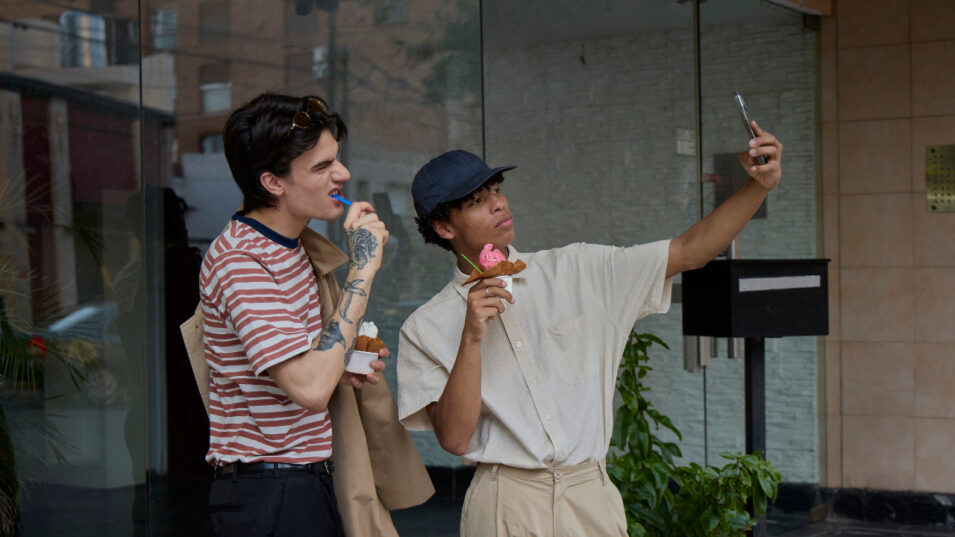
That’s what we did for Shippit during a period of rapid growth, when the company needed content that could communicate its culture to potential hires rather than just describe it. We put Shippit’s employees front and centre, captured their voices and experiences, and let the energy of the place do the work. A culture video that felt like the company, because it was the company.
The instinct to over-produce, over-script and over-explain is hard to resist. We get it. But the content that actually converts candidates is the content that feels true. It also works harder than most brands realise. The act of giving employees a voice tends to re-energise the people already in the room, not just the ones you’re trying to recruit.
Scale Doesn’t Have to Mean Generic
When the brief gets bigger, a full content suite across multiple assets and audiences, the challenge is keeping authenticity intact across all of it.
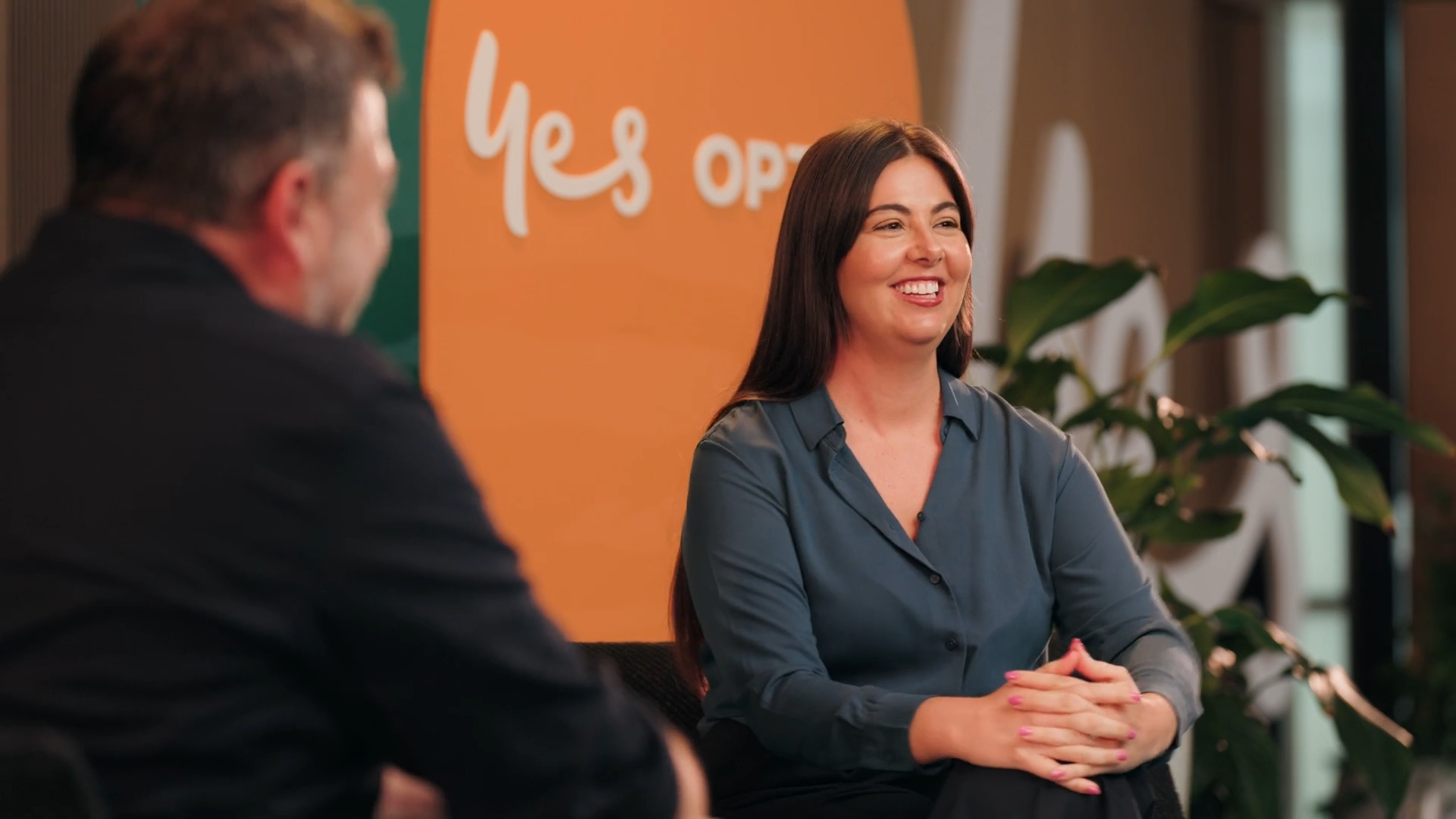
For Optus’ Connected Perspectives campaign, we produced a hero brand film, an internal series, a D&I piece, and stills and cutdowns built for careers pages, LinkedIn and internal events. The campaign was built around the idea that every role, interaction and innovation at Optus is linked, that the connections between people across very different parts of the business are what makes the culture work.
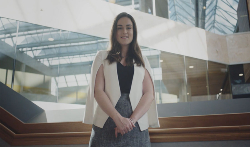
To show that, we followed real employees through what a real day actually feels like, from HQ to tech hubs, creative offices and retail floors. No actors, just a content structure built around the people already there, to show what it feels like to be a part of a network of connected people making a real impact.
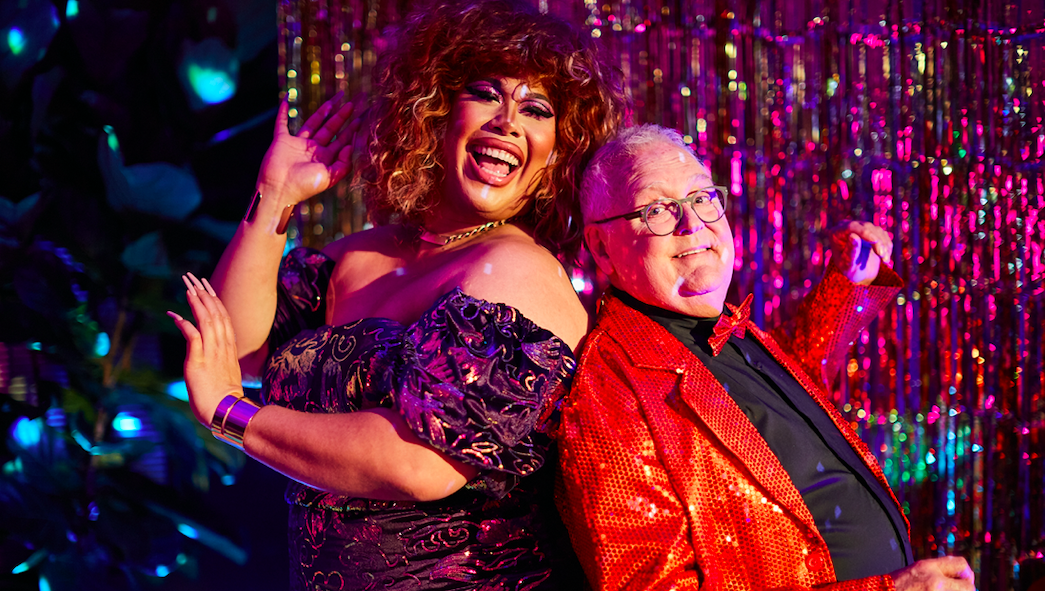
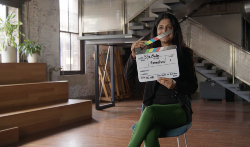
One of the standout pieces from the campaign was Unlikely Pairings, an interview series that brought together employees from opposite ends of the business for unscripted conversation. A tech lead and a retail floor worker, two chairs and a camera. The format was deliberately simple so the conversation could be the centrepiece. What surfaced, shared challenges, unexpected connections, genuine perspective on career and culture, was more compelling than anything a brief could have prescribed.
Audiences, whether candidates or consumers, are drawn to content that reveals rather than broadcasts. That requires giving real people the space to speak, and trusting what they say.
Founders Are Figuring This Out Too
Employer brand teams aren’t the only ones arriving at this conclusion. According to new intel from Business Insider, documentary filmmaker has become one of tech’s most in-demand roles as the world’s fastest-growing companies invest in telling their own stories directly, without the filter of traditional media.
“Companies need to always be telling their company lore,” says the CMO of Lightspeed Ventures. Building a media presence rather than waiting for coverage is now standard practice among the companies who are pulling ahead. The same logic applies to employer brand. If you’re waiting for someone else to tell your culture story, or trying to compress it into a 60-second polished reel that’s been heavily scrutinized by HR and legal, the audience you’re trying to reach ain’t interested.
When the Story Is the Place
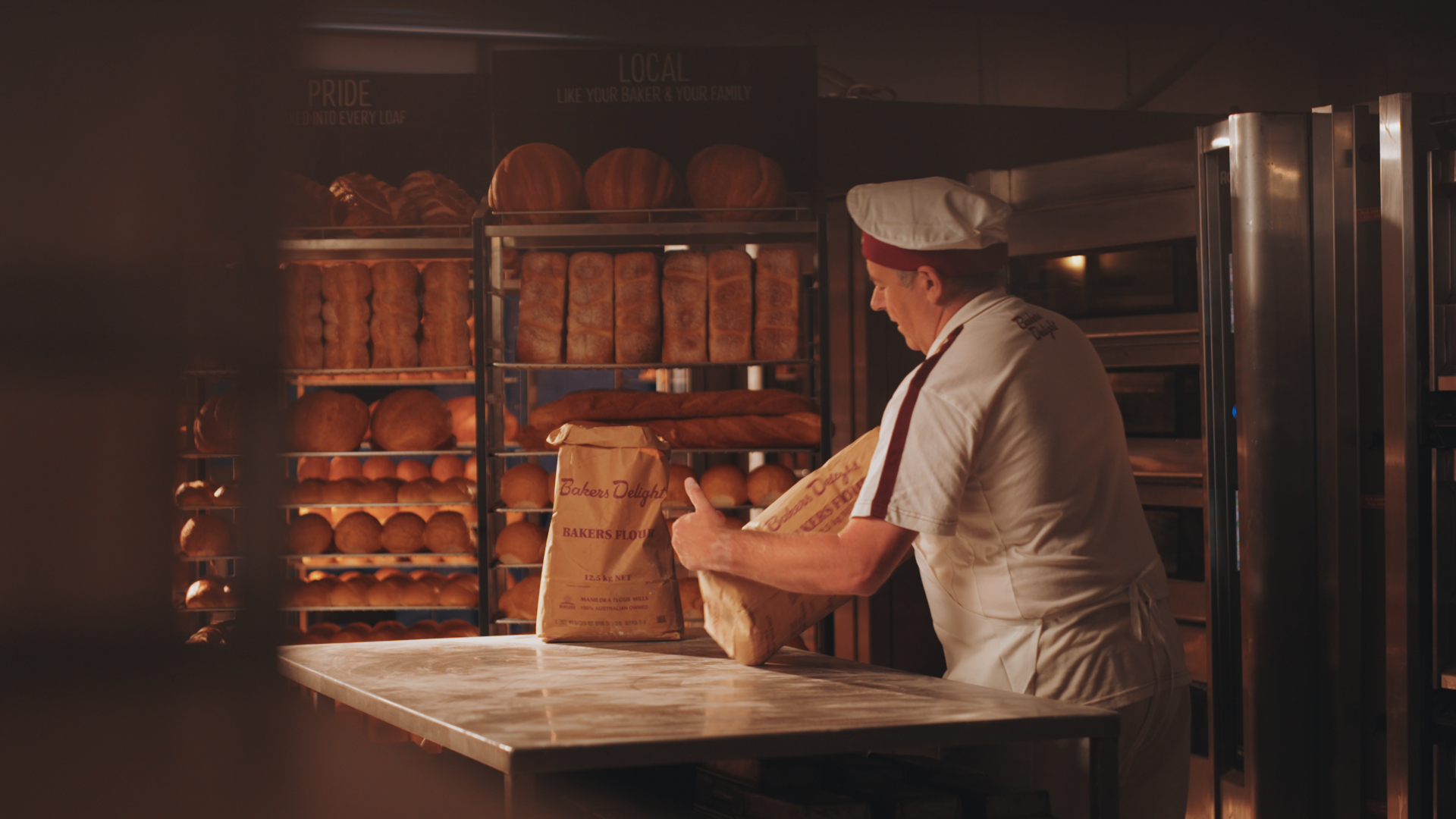
For Australian Agricultural Company (AACo), Australia’s largest cattle and beef producer and the oldest company in the country, the brief was an EVP film and evergreen content library designed to attract talent to remote cattle stations. Not a simple sell. The lifestyle is demanding, the locations are remote, and the audience is highly specific.
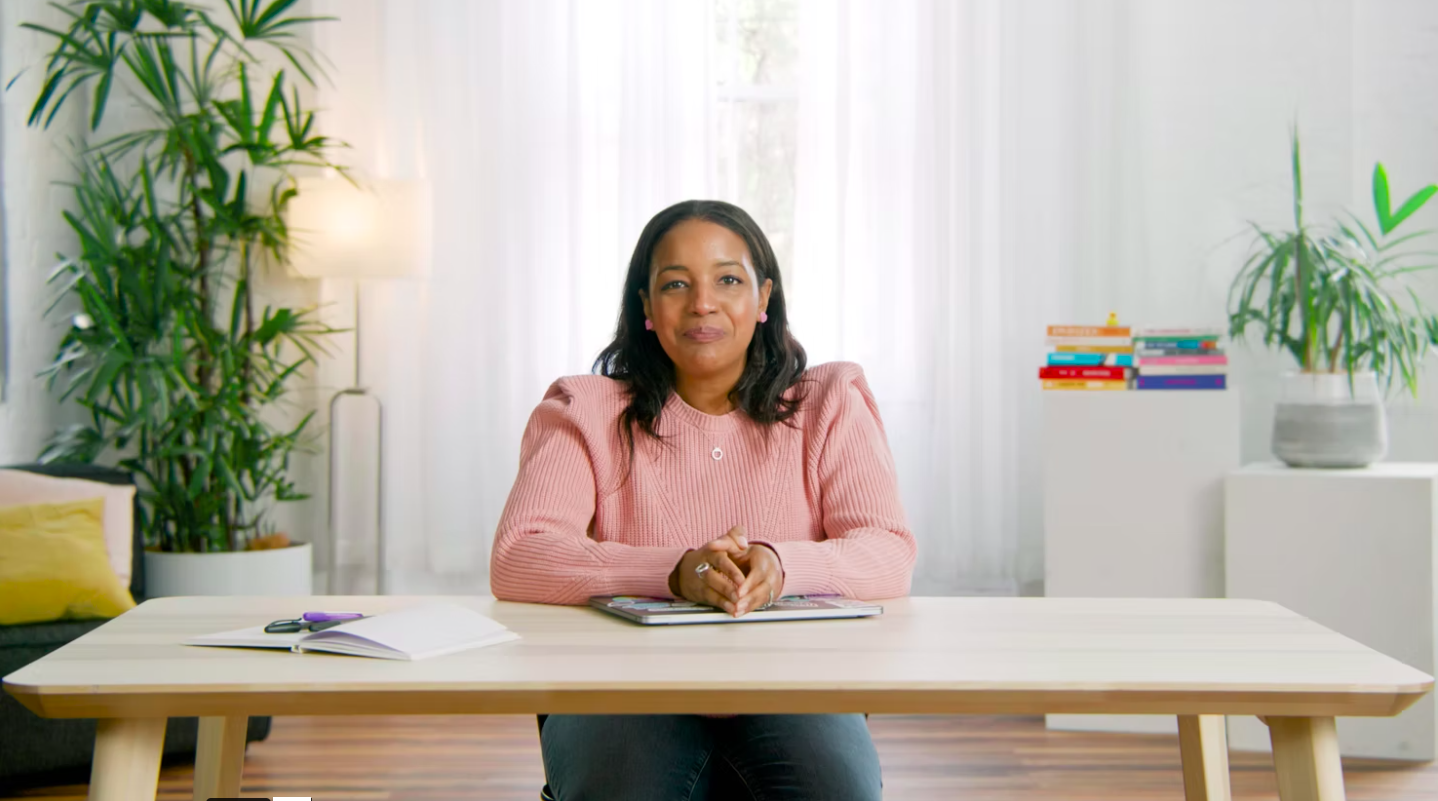
Rather than defaulting to a corporate recruitment format, we built the film around three characters drawn from the real experiences of people who work on AACo’s stations, telling the story of what life there feels like from the inside. The memories you make, the beauty of the land, the connections you’ll have for life, the way a place like that stays with you. Rich, emotive storytelling in place of role descriptions and benefits copy. It reached the right people because it spoke honestly to what that life actually is, and the meaning behind it all.
The Proof is in the Pudding
And the stats back up the sentiments. According to LinkedIn Research, candidates trust a company’s employees three times more than the company itself to give credible information about what it’s actually like to work there.
Employers with a weaker employer brand report cost-per-hire almost double that of employers with a strong one (LinkedIn Research/Glassdoor). Companies with socially engaged employees, people sharing content because they want to rather than because they’re told to, are 58% more likely to attract top talent, and employee shares deliver roughly twice the click-through rate of the same content posted from a brand account (LinkedIn Research).
The content that performs isn’t necessarily the most expensive to produce, but the most honest.

In Practice
There’s no single formula. The right approach depends on the brand, the audience and what’s genuinely true about the culture. And if you can’t trust your employees to speak well of the place, you should probably question why you’re making an EVP film at all (hot tip: fix the culture first).
Regardless, the principles hold across all of it: start with people rather than messaging, build a format that creates space for something real to happen, and invest in the production quality that makes authentic content actually watchable. Raw and real are not the same thing.
The EVP content that works in 2026 earns its audience’s trust by showing rather than telling, and by having the confidence to let the people in it do the convincing.
We Know Video is a Sydney-based creative video production company creating video content for brands including Nike, Google, Canva, Optus and Uber. Got a video brief to run by us? Get in touch via the chat box on the right, email info@weknowvideo.com.au or request a quote via the green button on the upper right.
By Katie Martlew
Senior Content Strategist, WKV