















If 2024 was the year brands dipped their toes into AI, and 2025 was when everyone dove in headfirst, then 2026 is shaping up to be the year video stops being a “nice to have” and becomes the entire conversation.
Quick answer: If 2024 was the year brands dipped their toes into AI, and 2025 was when everyone dove in headfirst, then 2026 is shaping up to be the year video stops being a “nice to have” and becomes the entire conversation.
A recent report from Social Media Today on social media marketing trends makes it official: platforms are going all-in on video, AI is fundamentally rewiring how production works, and audiences have developed a pretty sophisticated bullshit detector for anything that feels manufactured.
We’ve distilled the need-to-know insights and what it all actually means for marketers, brands, and creative teams planning content for the New Year.
1. TikTok Became the Search Engine (and Nobody Noticed)
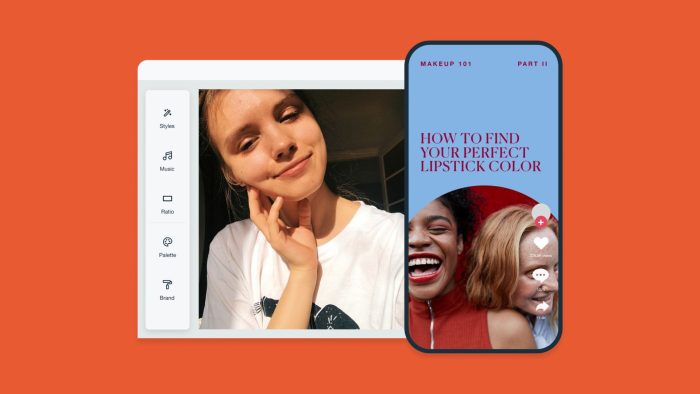
Forget Google. Gen Z is searching for “how to fix a leaky tap” on TikTok now. The platform’s search function has quietly exploded into the go-to destination for tutorials, product reviews, and quick answers, all delivered in 60 seconds or less.
What this means for you: No longer is TikTok a place for silly dances, and your brand strategy needs to give the platform serious consideration. Think like an SEO strategist, not just a content creator. Your captions, subtitles, and opening hooks need to be searchable now, not just clever. Answer questions directly. Get to the point fast. Make content that works as a search result, not just entertainment.
If you’re not showing up in TikTok search, you’re invisible to an entire generation of consumers who’ve already moved on from typing queries into text boxes. This content is also indexed by Google (as are Instragram posts now).
2. Meta’s Building a Reels Empire
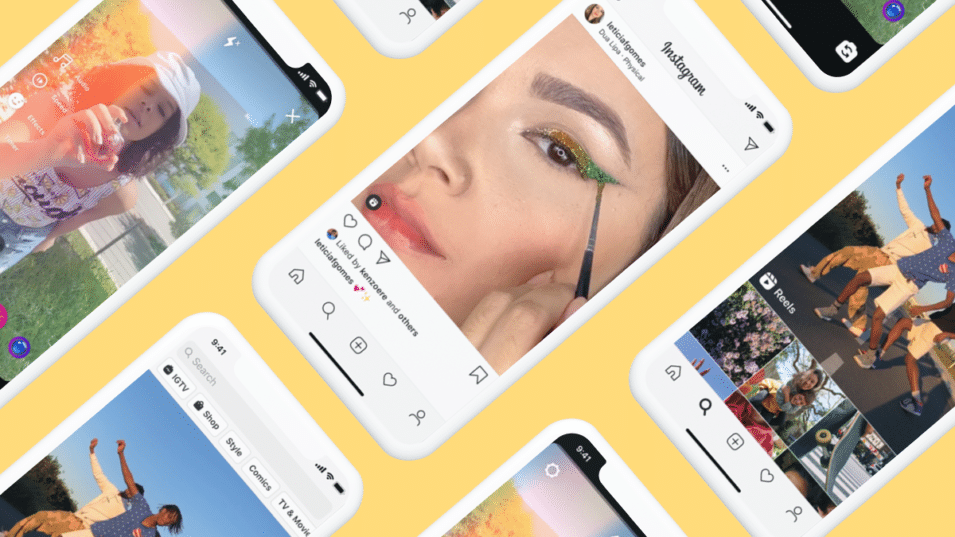
With Reels making up at least 50% of all time spent in the app, Meta isn’t messing around. Reels are now the connective tissue between Instagram, Facebook, Threads, and WhatsApp. Their 2026 strategy includes AI remix tools, native vertical everything, and cross-platform distribution that happens whether you like it or not.
What this means for you: Reels-first isn’t a format choice anymore, it’s the brief. Stop repurposing landscape videos by cropping them into vertical boxes and hoping for the best. Design for Reels from frame one. Optimise for the engagement signals that actually matter: shares, saves, and watch-through rates (not just likes).
The algorithm rewards content that keeps people on the platform. Make that your North Star.
3. YouTube’s Playing Both Sides (and Winning)
YouTube has cracked the code: Shorts for discovery, long-form for loyalty. Brands that understand this duality are dominating. Those that don’t are wondering why their view counts flatlined.
What this means for you: Use Shorts as the top of your funnel, then retarget with deeper, narrative-driven content. With short-form video, the first few seconds matter more than ever. Lead with a visual hook, use quick transitions, deliver one key clear message. On the flipside
Audiences do still seek depth alongside short videos, and thoughtful content builds authority, especially things like educational content.
Above all, tell stories people actually want to watch, not feature lists dressed up as films. And for the love of all things holy, plan your assets for multiple formats from the start; skippable, non-skippable, vertical, horizontal. The days of one-size-fits-all video are longgg gone.
4. AI Makes Everything Faster (But Humans Make It Better).
Yes, AI can generate concepts, cut edits, write captions, and localise versions in seventeen languages before lunch. But here’s the thing, audiences still smell AI slop from a mile away. And they’re rejecting it faster than brands can churn it out.
What this means for you: Use AI to scale the grunt work—transcriptions, versioning, first-pass edits. But keep humans in charge of story, always. The sweet spot is hybrid workflows: AI handles efficiency, humans handle emotion. Imperfection and authenticity are your competitive advantage in a sea of algorithmically generated mediocrity.
5. Social Commerce Isn’t Coming, It’s Already Here.
Shoppable video has officially hit critical mass. TikTok Shop, Instagram Checkout, YouTube Shopping; they’re all faster, smarter, and more integrated than ever. The line between content and commerce is basically gone.
What this means for you: Create “shop-entertainment” that stops the scroll first, sells second. Embed product naturally into stories, not as obvious afterthoughts. Think of your video like a great retail experience: the product should feel like the hero, not the interruption.
And test everything. Conversion-friendly video requires planning from the first frame, it doesn’t happen by accident.
6. UGC Ate the Ad Budget
Consumer trust has fundamentally shifted. People engage with relatable creators and real humans over polished brand ads. By 2026, Social Media Today predicts that UGC and creator partnerships will form the backbone of most paid campaigns.
What this means for you: Treat creators as collaborators, not billboards. Creators with niche influence drive stronger results than broad influencers. Build long term relationships. Let creators lead. Bring them into the process early. Track engagement quality. Mix UGC with brand-led content to balance authenticity and reach. The goal is campaigns that scale but still feel human, relatable, and native to wherever they show up.
Polished isn’t it anymore. Authenticity is.
7. There’s Plenty of Action in Private Communities Now
Open feeds are getting quieter as engagement increasingly happens in closed groups, DMs, and niche communities where conversations feel personal, not performative. Video still dominates, but often it’s shorter, scrappier, and more conversational.
What this means for you: Experiment with low-fi, behind-the-scenes content. Think about how your brand shows up in DMs and group chats, not just broadcast feeds. Create video that sparks conversation, not just racks up impressions.
If your content doesn’t feel like it belongs in a text thread with friends, it’ll have trouble resonating in the new social landscape.
8. Every Platform Wants Video (Even the Boring Ones)
Here’s the pattern: every major platform is going video-first. Threads, once proudly text-only, is now pushing Reels-style clips. Video watch time on LinkedIn is up 36% year-over-year in the app, while video posts are also now shared 20x more than any other content type. Across the board, video is the engine for visibility, trust, and conversion.
What this means for you: Stop treating video as an add-on. Make it your foundation. Build a multi-format ecosystem: hero films, short cutdowns, verticals, GIFs, loops, whatever works. But think beyond just production (captions, hooks, sound design, platform-specific optimisations, analytics). Every element matters now.
Video isn’t part of the strategy anymore. It is the strategy.
TL;DR — 2026 in One Sentence
AI makes video creation faster. Strategy, storytelling, and cultural timing make it better.
Insights drawn from Social Media Today’s “36 Predictions for Social Media Marketing in 2026” and “15 Social Media Marketing Trends for 2026” and verified 2025 platform data from IAB Australia, LinkedIn Business, and YouTube Trends.