




















Most corporate video briefs start in the wrong place. The conversation goes straight to format, style, budget, and timeline before anyone has answered the more important question: what is this video supposed to do?
That gap between production activity and commercial intent is where most corporate video production budgets get absorbed with little to show for it. A polished brand film nobody watches beyond launch. An explainer video that explains everything except why the viewer should care. A testimonial video that fails to reach the people who most need to see it.
The corporate video ideas that earn their budget start with a friction point, a buying moment or a business objective, and then the format and production follow from that.
This article covers ten corporate video formats that deliver real commercial results, with examples drawn from work We Know Video has produced for some of the world’s most recognised brands. Each format is matched to its natural use case, so you can approach your next brief with clarity rather than habit.
What’s Covered
- What Makes a Corporate Video Idea Worth Pursuing?
- Brand Film
- Explainer Video
- Customer Testimonial Video
- People and Culture Video
- Branded Content Series
- Social Video Campaign
- Product Launch Video
- Event Video
- Docuseries
- How to Choose the Right Corporate Video Format for Your Brief
- Corporate Video Strategy Before Production
- Corporate Video Frequently Asked Questions
- The Right Corporate Video Starts with the Right Brief
What Makes a Corporate Video Idea Worth Pursuing?
Before working through the formats, it is worth naming what separates a productive corporate video investment from an expensive one.
The strongest corporate video ideas share three characteristics:
- They address a specific audience at a specific moment in their relationship with the brand
- They reduce friction of some kind: whether that’s commercial hesitation, product confusion, brand unfamiliarity, or talent scepticism
- They are designed for distribution from the beginning, not treated as an afterthought once the edit has been completed

A brief that says “we need a corporate video” is not yet a brief. A brief that says “our sales pipeline stalls when procurement gets involved, and we need something that addresses ROI concerns before that conversation happens” is a brief worth building from. Format, length and production approach all follow from that clarity.
With that framing in mind, here are the ten corporate video types that consistently do the most commercial work, each illustrated with a real corporate video example from the WKV portfolio.
1. Brand Film
Best for: Repositioning, rebranding, building emotional credibility with new audiences
What It Does
A brand film sits at the top of the commercial funnel. It is not a product demonstration or a sales tool. Its job is to communicate what a business stands for, who it exists to serve, and why that matters. Done well, it creates the kind of trust that makes every subsequent interaction easier.
The distinction between a brand film that works and one that exists is usually strategic. A brand film earns attention by telling a story with tension and resolution. It takes a position and is designed to reveal something about the organisation rather than just announcing it.
What Good Looks Like
For Australian Agricultural Company (AACo), Australia’s oldest and largest cattle producer, the challenge was a rebrand that needed to speak to potential recruits as much as to the market. Rather than produce a conventional corporate brand film, We Know Video developed a narrative told through three characters who live and work on AACo’s cattle stations.
The approach aimed to paint a moving picture of life on the stations: the people, the land, the memories, and the effect the work has on those who do it. The goal was emotive, authentic storytelling that communicated AACo’s passion and dedication rather than an over-polished corporate script. The result was a single asset that served dual purpose as both a brand film and a recruitment film.
Key Takeaway
A brand film is most valuable when it is built around a specific human truth rather than a list of brand values. Values can be stated in a press release. Felt experience needs a film.
2. Explainer Video
Best for: Go-to-market launches, reducing sales cycle friction, B2B acquisition
What It Does
An explainer video has one job: make a complex or unfamiliar product immediately legible to someone who has no prior context. In B2B contexts in particular, this format has direct commercial value because confusion kills deals. If a buyer cannot quickly understand what a product does and why it is relevant to them, they won’t invest the mental energy to reach a purchase decision.
The best corporate video examples of this format don’t try to communicate everything. They identify the primary objection or knowledge gap that’s slowing acquisition, and they close it in under two minutes.
What Good Looks Like
When Shippit needed to hold its position in a competitive market, We Know Video produced a go-to-market explainer built around the brand’s core customer segments. From scripting to visual ideation, graphics, casting and set design, the aim was to give Shippit a clear, engaging commercial voice that set them apart from the beginning.
The explainer became the foundation of a broader content partnership, with additional video types built out to serve different stages of the acquisition and retention funnel.
Key Takeaway
The brief for an explainer video should describe the knowledge gap it is closing, not just the features it’s covering. If the brief lists everything the product does, it is a feature document. If it identifies the one thing a buyer needs to understand to move forward, it is an explainer brief.
3. Customer Testimonial Video
Best for: Late-stage sales enablement, reducing buyer hesitation, building category credibility
What It Does
Late in the buying process, a prospective customer isn’t evaluating messaging; they’re assessing risk. They want to know whether the product works in practice, whether the company is easy to deal with, and whether someone in a comparable situation made the right call.
A customer testimonial video that serves this function is built differently from a generic endorsement. It follows a problem-solution-outcome arc. It’s specific about the challenge the customer faced, honest about what the transition involved, and concrete about what changed. The buyer watching it should be able to see their own situation reflected in it.
What Good Looks Like
For Dovetail, a customer insights platform, We Know Video produced a customer story video spotlighting how Breville leads with design excellence through the use of Dovetail’s deep customer insights. The video focused on Breville’s approach to innovation, with supporting B-roll subtly reinforcing Dovetail’s role throughout. Alongside the hero video, a series of short cutdowns was delivered for social, each isolating key themes and insights for targeted distribution.
The format is a strong example of how a B2B SaaS brand can use a recognisable enterprise customer to build credibility with similar prospects. The hero content does the long-form persuasion work; the social cutdowns extend reach across different placements.
For Canva, the same format served a different strategic purpose. We Know Video produced a customer case study showcasing how Zoom uses Canva to improve creative output and operational efficiency across their team – a video built specifically to speak to enterprise decision-makers evaluating Canva at an organisational level.
Key Takeaway
Testimonial videos work hardest when targeted at a specific buying moment rather than deployed broadly. A testimonial about ROI lands differently at the contract stage than it does at the awareness stage. Brief the format around the moment, not just the message.
4. People and Culture Video
Best for: Talent acquisition, employer brand, internal communications
What It Does
Recruitment is a commercial problem. Attracting the right people in volume, reducing time-to-hire, and building a pipeline of qualified candidates who already understand the culture: all of these have direct cost and revenue implications for a growing business.
A people and culture video addresses a specific objection in the candidate journey. It answers the question a strong candidate asks before they apply: Do I actually want to work here?
The format works best when it’s led by real employees rather than a corporate narrative. People trust people. A well-directed people and culture video gives candidates enough texture and personality to make a genuine assessment.
What Good Looks Like
During a period of significant growth, Shippit needed to scale its recruitment activity and required content that reflected the company’s culture authentically. Rather than a scripted overview, We Know Video produced a video that heard directly from employees on what made Shippit a compelling place to work, with warmth, personality and a sense of the company’s energy embedded throughout.
The Shippit people and culture video is a useful reference point for any fast-growing business trying to communicate what it’s actually like to be part of the team, without defaulting to a corporate highlight reel.
Key Takeaway
If the brief for a people and culture video describes what the company does rather than what it’s like to be part of it, the brief needs revising. Candidates have already read the website. This format answers the questions the website can’t.
5. Branded Content Series
Best for: User retention, community building, always-on content programmes at scale
What It Does
A branded content series is distinct from traditional advertising in one important respect: the viewer chooses to watch it, which changes the brief entirely. The content needs to be intrinsically valuable, educational, entertaining, or both – it can’t just be promotional. The brand participates in the content rather than interrupting it.
For brands with high-frequency content needs and an audience invested in learning, a series model delivers consistent reach with compounding value. Each episode builds on the last. Watch time accumulates. The brand becomes a reliable source of useful content rather than a periodic advertiser.
What Good Looks Like
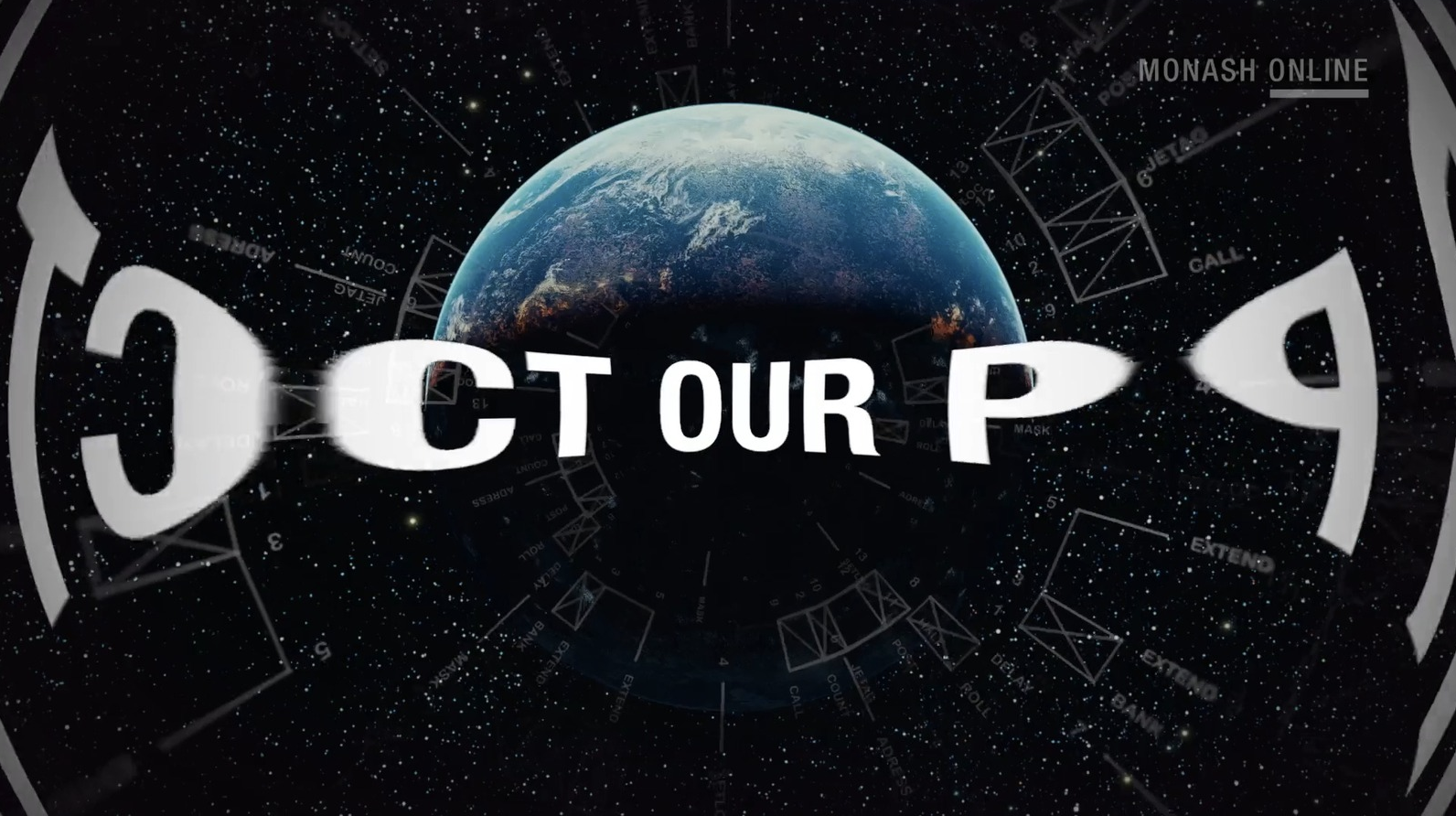
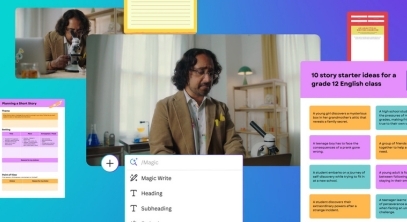
We Know Video’s partnership with Canva is a long-form example of this model in action. Over four years, the team produced weekly episodic content, including Canva’s Design School series and Canva Creators, building a consistent content stream that supported user retention and brand loyalty. The series generated over 100 episodes, 300,000 monthly views, and nearly five million impressions, with watch time exceeding 14,000 hours.
It’s one of the clearest examples in the WKV portfolio of what a strategic, always-on corporate video production model looks like at scale – and the Canva content partnership covers the full scope of that work.
Key Takeaway
A branded content series is an infrastructure investment, not a campaign. The brief should describe the ongoing audience need it will serve. If the answer is “to promote our product,” the series won’t build an audience. If the answer is “to help our users do something they care about,” it might.
6. Social Video Campaign
Best for: Paid and organic social, brand awareness, targeted acquisition
What It Does
Social video operates under different constraints than any other format. Attention isn’t given freely. Distribution is platform-specific. And what works in a thirty-second paid spot on one channel rarely transfers directly to a sixty-second organic post on another.
The strongest social video campaigns are built with distribution in mind from the brief. Assets are planned for multiple formats and placements. Creative is tested and refined in-market. The campaign is treated as a system rather than a single production.
What Good Looks Like
When Ola entered the Australian ride-share market, the brand needed a creative direction that would work in a crowded, well-established category. We Know Video developed a data-driven, mixed-media campaign strategy alongside a digital marketing partner, with creative built specifically to target distinct audience segments by location, behaviour and context. The suite of assets was designed to be updatable, allowing Ola to produce follow-on content in-house against the templates supplied, containing future production costs while maintaining a consistent campaign identity.
For American Express’s Shop Small campaign, We Know Video created an immersive social experience using Facebook’s Instant Experience technology to replicate the in-store shopping experience for a social audience. The campaign earned a combined average view time of one minute eighteen seconds across its Instant Experience assets, a 55% view-through rate, and nominations for Mumbrella’s Best Influencer Campaign and Social Idea of the Year.
Both the Ola mixed reality campaign and the American Express Shop Small case study demonstrate what distribution-first thinking looks like in practice.
Key Takeaway
Social video campaigns don’t fail because the creative is poor. They fail because the distribution strategy is underdeveloped. Format, length, hook timing and platform-specific optimisation all need to be part of the brief from day one.
7. Product Launch Video
Best for: New product or feature launches, B2C acquisition, app and platform releases
What It Does
A product launch video has a specific job: generate understanding and desire for a new offering in the shortest possible time. It works differently from an explainer video. Where an explainer reduces confusion, a product launch video builds appetite. It answers “why should I care about this” before it answers “what does this do.”
What Good Looks Like
The NRMA, Australia’s largest member organisation, needed to launch a new digital product – NRMA Blue – with a launch film and social video collateral that could speak to distinct customer segments.
Rather than working through large-scale agency intermediaries as they had previously, the NRMA worked directly with We Know Video to manage the entire project from creative development and scripting through to casting and production. The approach saved high costs on the casting process alone, while delivering high production quality and a suite of social cut-downs that could target specific customer segments with offers aligned to their interests.
The NRMA’s campaign manager described the result as delivering on “a very challenging brief with a very tight timeframe and budget” – you can read the full story in the NRMA app launch campaign.
Key Takeaway
Product launch video briefs often try to communicate too much. A new product has many features. The brief needs to identify the one thing that’ll move the target audience from indifference to interest. Depth can be built in subsequent content.
8. Animated Product Explainer
Best for: SaaS and tech products, complex B2B propositions, multi-product portfolios
What It Does
Animation earns its production cost when the ‘thing’ being explained can’t be easily filmed. Abstract processes, multi-step integrations, product interfaces that change with every update: these are exactly the use cases where live action struggles and animation excels.
Animation also offers longevity that live action doesn’t. Branding and messaging can be updated without a full reshoot. Assets built early in a company’s lifecycle can be adapted as the product evolves.
What Good Looks Like
For the launch of hipages Energy – a new service helping homeowners reduce their energy bills – We Know Video produced an animated explainer built around clarity and quick comprehension. The video breaks down what the service is, how it works, and how users can start saving, using simple animation and a clean, direct script designed for engagement across digital channels. The brief was straightforward: a new service that needed to be understood fast, by an audience with no prior context and limited patience for complexity.
It’s a useful example of animation doing the job it does best – making something unfamiliar feel immediately accessible without oversimplifying the substance.
Key Takeaway
The choice between live action and animation should follow from the content requirements, not the budget conversation. Animation requires more upfront investment in scripting and storyboarding, but its longevity and flexibility across channels often make it the more cost-effective choice over time.
9. Event Video
Best for: Event amplification, internal engagement, brand milestones
What It Does
Every major event represents a significant investment. The question is how much of that investment extends beyond the people in the room. An event video captures the energy, key moments, and narrative of the day, and makes it available to those who weren’t there and relevant to those who were.
For brands with a meaningful internal culture, event video also serves a retention function. People want to be part of something worth documenting.
What Good Looks Like
We Know Video’s partnership with Canva extended across their Season Opener events (large-scale annual gatherings celebrating company-wide achievements) as well as internal events marking product releases and milestones. The team also ran live broadcasts alongside the Canva studio team, streaming to hundreds of thousands of viewers, with coverage spanning video, stills and live broadcast formats.
For example, to celebrate Canva design school’s 100th episode, we took over the all-staff meeting to offer a glimpse into how the Canva team celebrates milestones, releases new products into the world and catches up as a company.
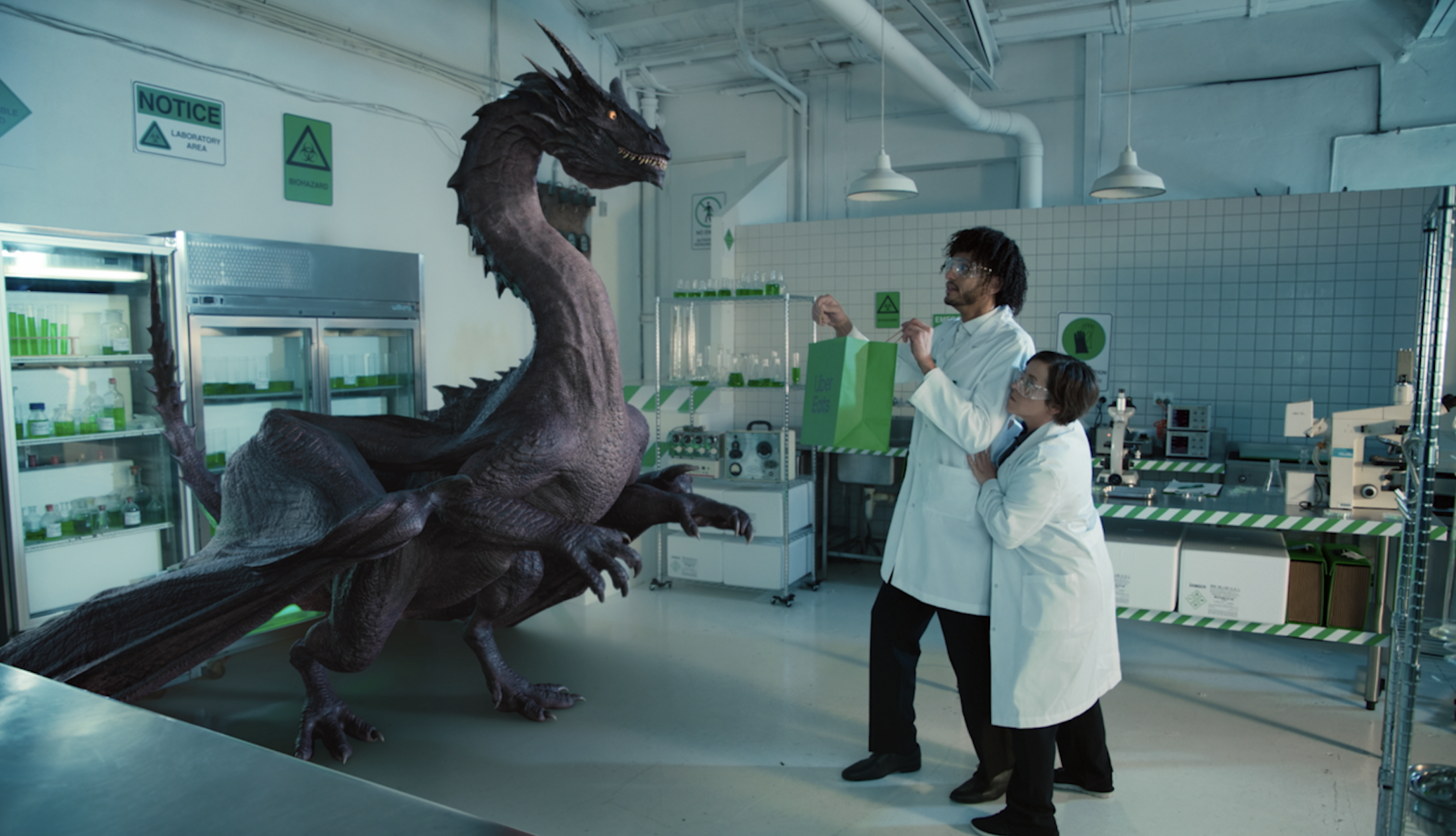
The Uber Eats KFC activation is a strong example of event video used as a launch announcement. A human-sized KFC drumstick dropped from the troposphere into a six-metre-tall Uber Eats bag at 200 kilometres an hour – the stunt existed to announce that KFC had landed on the platform, and the video’s job was to make that moment land with the same energy. An adrenaline-pumping five-minute film was the result: shareable, distinct, and built specifically to extend the reach of an activation most people never saw in person.
The Tyro Big Buyout at Hotel Ravesis via our friends at Hello, took a different approach. Tyro, Australia’s business-only bank and EFTPOS provider, bought out an entire hotel for the night – every room, every meal, every drink – and gave it all to their customers. The event video captures the activation through a mix of event coverage, product moments and genuine warmth, reflecting Tyro’s character as a brand while giving the evening a life beyond the guest list.
Both examples demonstrate the same principle: the event is the occasion, but the video is the asset.
Key Takeaway
Event video is most often treated as a documentation exercise. The stronger brief treats it as a content production opportunity. What story does this event make possible to tell? Who’s the audience beyond the attendees? How will the assets be used after the day?
10. Docu-Series
Best for: Branded content at the premium end, cause-led campaigns, platform-native depth content
What It Does
A docu-series is the most demanding corporate video format to execute well, and the most distinctive when it lands. It asks the audience to invest real time. In return, it delivers a depth of storytelling that shorter formats can’t access.
The commercial case for a docu-series is usually brand credibility and earned media rather than direct conversion. The format works hardest when the story being told is interesting, independent of the brand behind it.
What Good Looks Like
Nike’s ‘From the Grounds Up’ series, produced with We Know Video, profiled the story of Fitzroy Lions Soccer Club in Melbourne and its founder, Abdulmalik Abdurahman, whose mission is to make soccer accessible for every kid in the community. Shot with an intimate lens and grounded in authentic emotion, the filmmaking approach allowed space for the personal stories of subjects to unfold naturally.
Elisabeth Stone of Nike USA described the production as “nothing short of incredible from brief to delivery,” noting the team’s expertise, professionalism and ability to elevate the work across every stage of production and post. The full film is in the Nike From the Grounds Up case study.
For Uber Eats, the docu-series format took shape through the Eat Local series, following Australian personalities including Peking Duk and UFC champion Alexander Volkanovski across their favourite local food spots. Each episode served as a platform for Uber Eats’ local business mission while remaining genuinely watchable content in its own right.
Key Takeaway
The brief for a docu-series should describe the story, not the brand message. If the most interesting thing about the brief is the product, it’s not a docu-series yet. If the most interesting thing is the people or the situation the product exists within, there may be a story worth telling.
How to Choose the Right Corporate Video Format for Your Brief
The corporate video ideas listed above aren’t interchangeable. Each format addresses a different audience need at a different commercial moment. A useful way to approach format selection is to work backwards from the decision you need the viewer to make.
| Objective | Format to consider |
|---|---|
| Build emotional trust with a new audience | Brand film |
| Explain a complex product at the go-to-market | Explainer video |
| Remove hesitation late in the buying cycle | Customer testimonial video |
| Attract high-quality candidates at scale | People and culture video |
| Build ongoing audience value and retention | Branded content series |
| Drive targeted acquisition across social | Social video campaign |
| Launch a new product with urgency and appetite | Product launch video |
| Explain abstract or technical concepts clearly | Animated explainer |
| Extend the reach and life of a major event | Event video |
| Build brand credibility through deep storytelling | Docu-series |
Corporate video production format, length, tone and distribution channel all follow once the decision moment and the audience are clearly defined. Skipping that thinking and going straight to production is how most corporate video budgets underperform.
Corporate Video Strategy Before Production

The most common mistake businesses make with corporate video production is commissioning a format before defining a strategy. Strategy, in this context, means:
- Who the video is for
- What decision does it need to support
- Where it will be distributed
- How success will be measured
Without those answers, even a technically excellent production can’t guarantee commercial return. The B2B context is particularly unforgiving. A corporate video produced for a complex B2B environment needs to map to the buying process. Different stakeholders in a buying group have different concerns:
- IT assesses integration risk
- Finance assesses ROI and implementation cost
- Operations assesses disruption
A single brand film doesn’t address all of those concerns. A suite of assets, each targeted at a specific friction point in the buying journey, can.
Corporate Video Frequently Asked Questions
A corporate video is a professionally produced video asset created for business purposes rather than entertainment. The category covers a wide range of formats including brand films, explainer videos, testimonial videos, product demonstrations, people and culture content, event coverage, and social campaigns.
What distinguishes corporate video from general video production is the commercial objective: it’s produced to achieve a specific business outcome.
The main types of corporate video include brand films, explainer videos, customer testimonial videos, people and culture videos, product launch videos, animated explainers, social video campaigns, branded content series, event videos and documentary-style content.
Each format serves a different purpose and maps to a different point in the audience journey. The right format depends on the specific decision you need the viewer to make.
Length should follow from format and purpose:
– Social video ads: 6 to 30 seconds
– Go-to-market explainers: 60 to 90 seconds
– Brand films: 2 to 4 minutes
– Docu-series episodes: 8 to 12 minutes
There’s no universally correct length. The question is how much time the target audience will reasonably invest, given the context in which they’ll encounter the video.
A corporate video is a broad category that includes any professionally produced video created for business purposes.
A brand film is a specific format within that category: typically a longer-form, narrative-driven piece that communicates brand values and identity rather than demonstrating a product or driving a specific conversion. Brand films are usually distributed at the awareness stage. Other corporate video formats serve later stages of the audience or buyer journey.
A corporate video is effective when it changes something for the viewer: their level of understanding, their perception of the brand, their confidence in making a purchase decision, or their desire to work for the company.
The most effective corporate video production is built around a clearly defined friction point, designed for a specific audience at a specific moment, and distributed through channels that actually reach that audience in context.
The choice between animation and live action follows from what you’re trying to show and explain.
Live action is generally stronger for testimonials, people and culture content, events, and brand storytelling that relies on human presence.
Animation is more effective for abstract concepts, software product demonstrations, complex processes, and any content that needs to stay accurate and updatable over time without a reshoot.
A strong corporate video brief describes the problem the video needs to solve before it describes the type of video required.
It identifies the target audience and the specific moment in their journey when they’ll encounter the content. It describes the decision the viewer needs to make and the barrier currently preventing them from making it. It defines what success looks like in commercial terms. Format, length and production style should all be informed by those answers rather than determined in advance.
Yes, and it’s most effective when built specifically for that purpose rather than repurposed from broader brand content. In B2B contexts, the most commercially useful corporate video types tend to address late-stage friction: the concerns that arise when procurement, IT, finance or operations stakeholders review a proposal.
Testimonial videos, commercial explainers and ROI-focused product demonstrations all have a direct function in shortening sales cycles and reducing objection frequency.
Teams managing volume B2B content programmes will find the thinking in WKV’s article on scaling content production without sacrificing quality useful alongside this one.
Distribution determines whether an excellent video reaches its intended audience or sits unseen on a website page. It should be planned before production begins, not after the edit is delivered. The channel a video is distributed through affects format, length, aspect ratio, captioning, hook timing and call-to-action design.
A video built for LinkedIn performs differently from one built for a sales email sequence or an embedded website asset. The best corporate video production partners ask about distribution at a brief stage.
There’s no fixed number. The more useful question is which specific friction points or audience moments are currently unaddressed. A business growing through B2B sales needs different corporate video formats from a consumer brand building social reach or a scaling business competing for talent.
A content audit aligned to commercial priorities will identify the gaps. Commissioning individual videos without that map tends to produce an uneven content library with coverage in areas of low commercial urgency and gaps where it matters most.
Look for an agency that asks hard questions about objectives and strategy before it talks about production. The quality of the questions at the brief stage is a strong indicator of the commercial value of the output.
An experienced corporate video production agency will push back on underdeveloped briefs, challenge format assumptions, and bring knowledge of what’s worked for comparable clients.
The Right Corporate Video Starts with the Right Brief
Most corporate video budgets underperform for a predictable reason: the format was decided before the objective was clear.
The corporate video ideas covered in this article each have a natural commercial home. A brand film builds trust at the top of the funnel. An explainer video removes friction at the moment of product evaluation. A testimonial video addresses hesitation late in a buying cycle. A people and culture video answers the question a strong candidate asks before they apply. None of these formats can do the others’ job, and the production quality of any of them is secondary to the strategic clarity of the brief.
We Know Video works with businesses across Australia to develop and produce corporate videos that earns its place in the budget. If your brief is still at the format stage rather than the objective stage, that’s exactly the kind of conversation to have before production begins. Get in touch to talk through what you’re trying to achieve.